If you want your first home to have character, walkable surroundings, and the chance to build equity over time, Germantown probably catches your eye fast. It has a very different feel from a newer subdivision, and that difference can be exciting and a little intimidating at the same time. The good news is that if you know what to look for, you can figure out whether this neighborhood truly fits your budget, lifestyle, and comfort level with older homes. Let’s dive in.
Why Germantown Stands Out
Germantown has deep roots in Louisville history. According to Louisville Tourism’s neighborhood guide, the area was shaped by German immigration and is known for one of the nation’s largest concentrations of shotgun houses, along with a mix of long-standing neighborhood businesses and newer restaurants and bars.
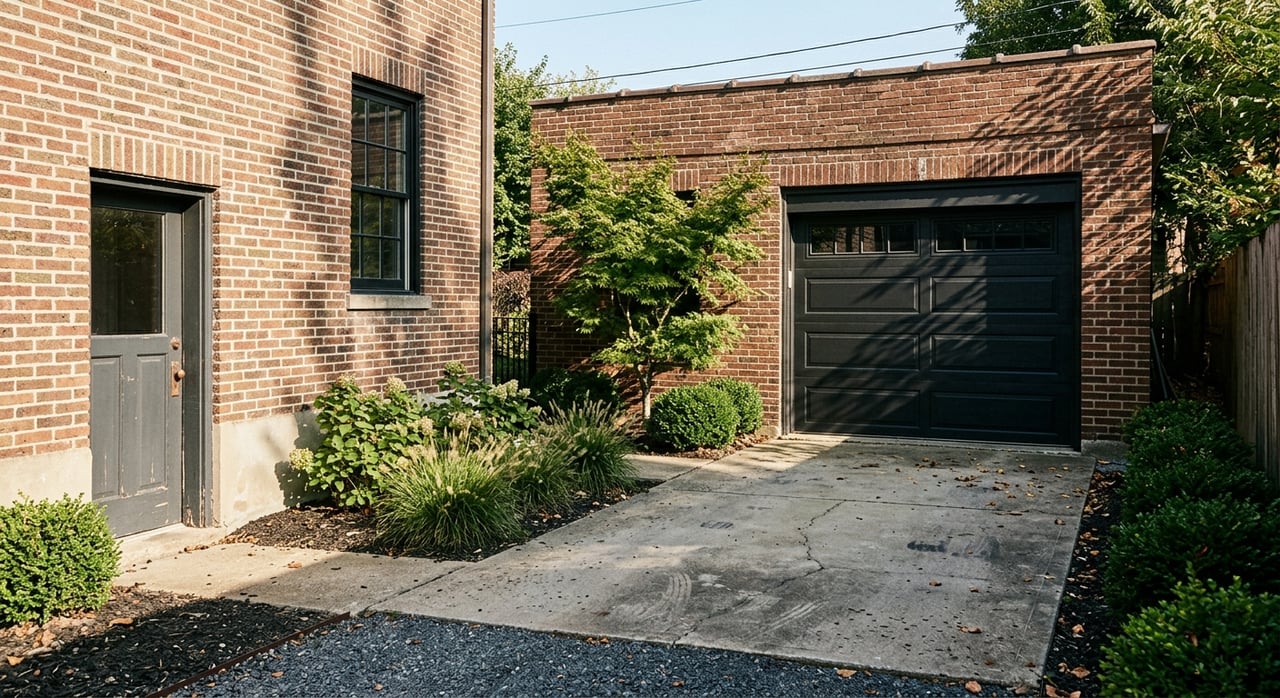
That history matters when you shop for a first home here. Germantown is not a cookie-cutter neighborhood, and homes can vary a lot in layout, updates, and condition from one block to the next. If you like the idea of a home with personality, that can be a big plus.
What First-Time Buyers Usually Love
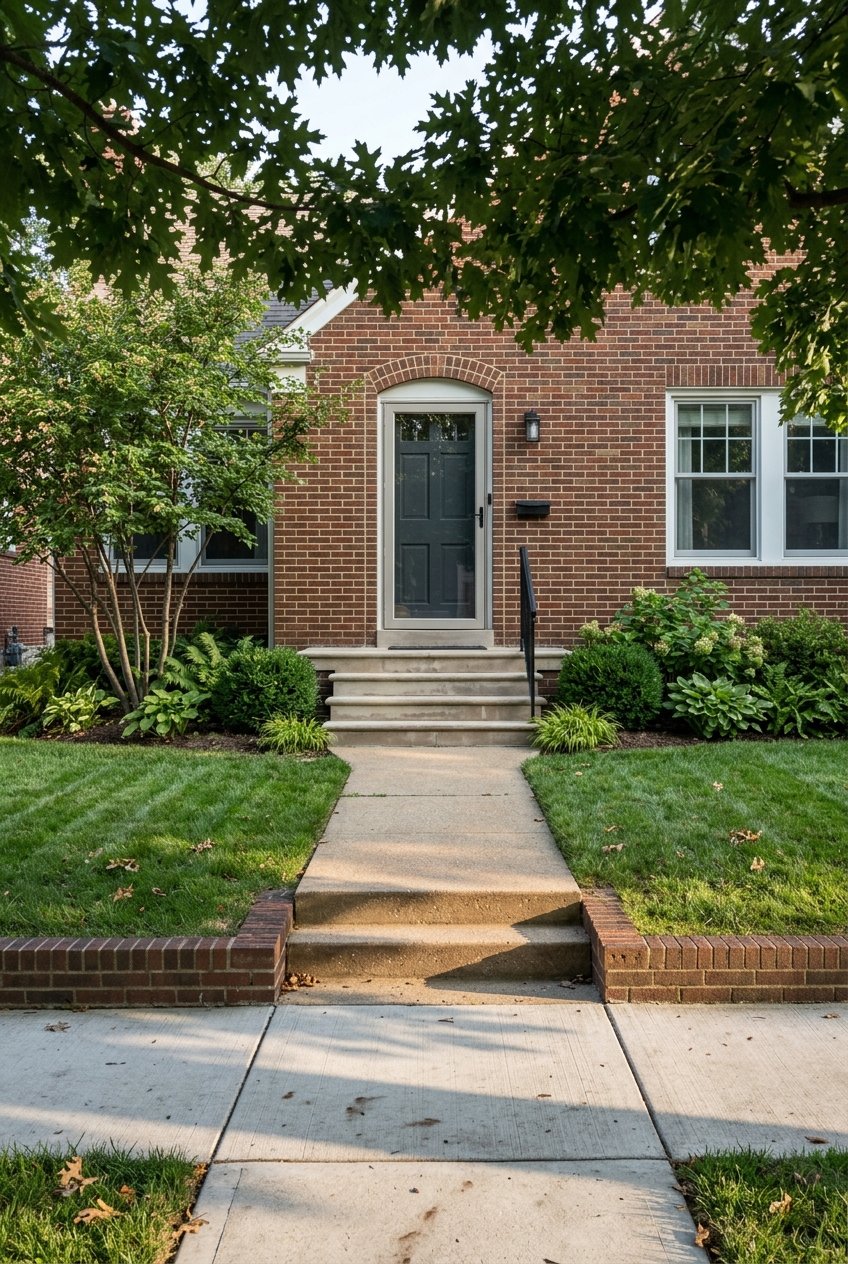
For many first-time buyers, Germantown offers three things that stand out right away: charm, location, and everyday convenience. You are looking at a neighborhood where the housing stock has a distinct identity, and the streetscape often feels more established than what you would find in many newer developments.
There is also a strong street-level lifestyle here. Walk Score rates Germantown at 73, calls it very walkable and very bikeable, and notes dozens of restaurants, bars, and coffee shops in the neighborhood. If you want the option to get out and enjoy nearby spots without always getting in the car, that can be a real advantage.
Home Styles You’ll See Most
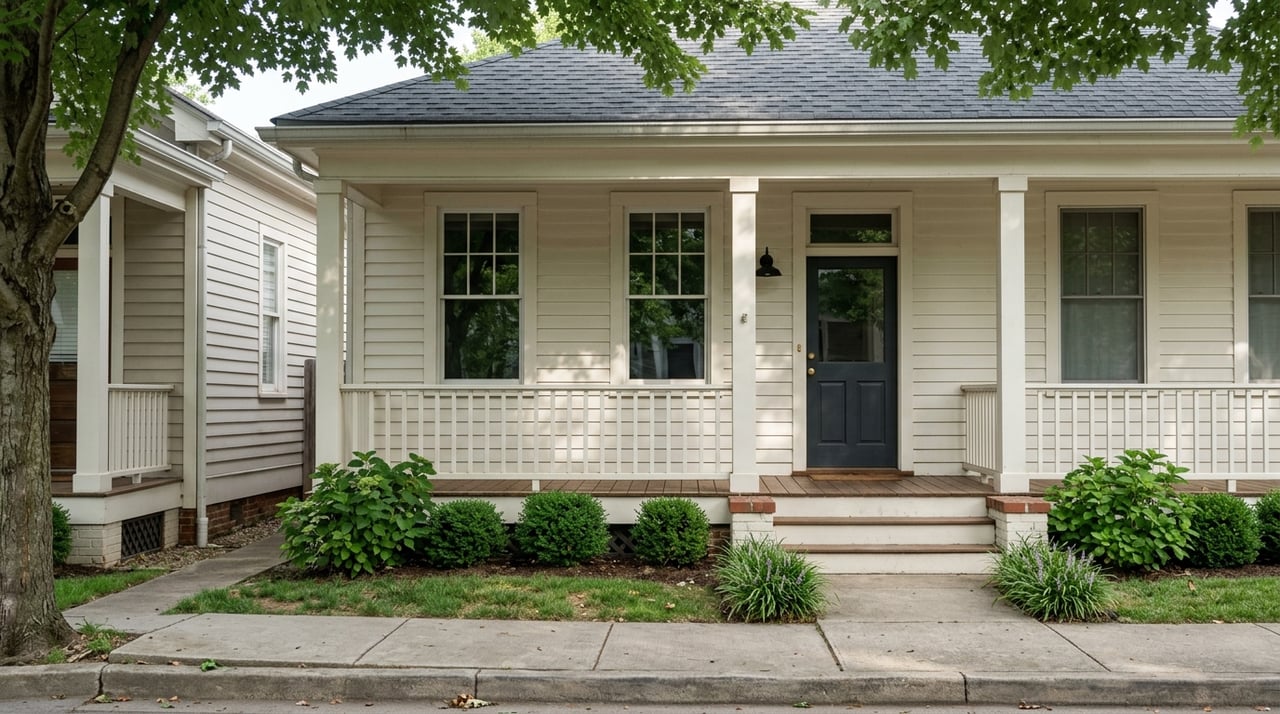
The classic Germantown starter home is often a shotgun house. Louisville preservation materials define a shotgun house as one room wide and usually three or four rooms deep, while a camelback is a shotgun with a second-story rear section. Germantown is closely associated with this compact, older housing style, which helps explain why the neighborhood feels so different from areas dominated by newer construction.
These homes can appeal to first-time buyers because they are often more modest in size and full of original character. At the same time, their age means you need to pay attention to more than fresh paint and updated fixtures. The real story is usually in the systems, structure, and quality of past improvements.
Why Condition Can Vary So Much
One of the biggest things to understand about Germantown is that two homes with similar curb appeal can be very different once you look closer. Louisville Tourism describes the area as a blend of preserved historic character and newer business activity, and that same mix shows up in the housing stock.
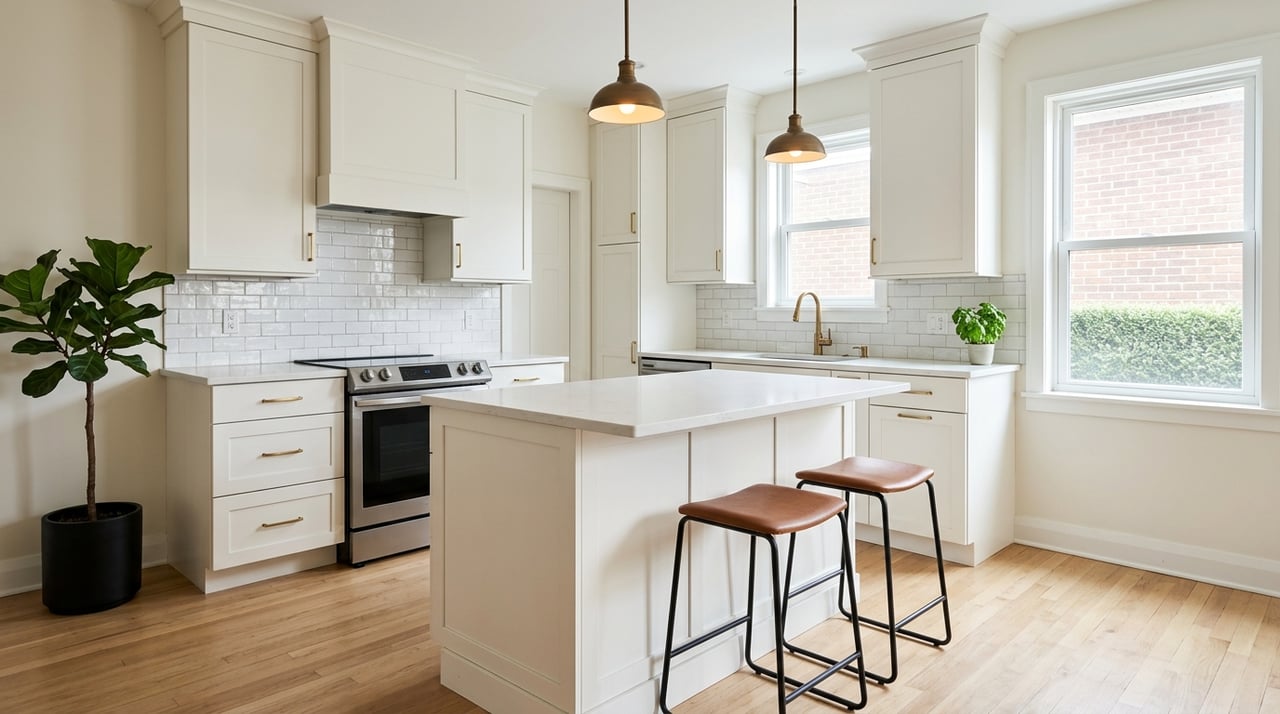
Some homes have seen thoughtful renovations over time. Others may have cosmetic updates but still need work behind the walls or under the roofline. For a first-time buyer, that means due diligence matters more here than in a neighborhood filled with newer, more standardized homes.
Renovation Reality in Germantown
Older homes often come with older-home issues. Testimony filed with the Kentucky Public Service Commission noted that many Germantown homes from the 1890s were shotgun or camelback houses and often had little or no insulation and single-pane windows.
That does not mean every home will need major work. It does mean weatherization, energy efficiency, and comfort upgrades are common themes in this part of Louisville. If you are considering a purchase here, it helps to ask not just what was updated, but also when it was updated and how well it was done.
Smart questions to ask
When you tour a Germantown home, keep your questions practical:
- Has the roof been replaced, and if so, when?
- Have the electrical, plumbing, or HVAC systems been updated?
- Are the windows original, replaced, or a mix?
- Is there insulation in the walls or attic?
- Were renovations done by licensed professionals when required?
- Are there receipts, permits, or service records available?
Those questions can tell you much more than staging ever will.
Walkability and Daily Life
For many buyers, Germantown’s lifestyle is a big part of the draw. Louisville Tourism highlights coffee shops, neighborhood bars, breweries, breakfast spots, live music, and small businesses that give the area a strong local feel.
The neighborhood also has access to public green space. Germantown-Paris Park at 1134 E Kentucky St. includes a playground and Wi-Fi, and Louisville Metro also lists Rubel Park nearby. These small but useful amenities can matter a lot when you are deciding how you want day-to-day life to feel.
Community events also shape the experience here. Louisville city news points to traditions like the World Championship Dainty Contest on Goss Avenue and Germantown Oktoberfest, which reflect how the neighborhood uses its streets and local gathering spaces.
The Tradeoff First-Time Buyers Should Understand
Germantown can be a great fit if you value character, location, and a neighborhood feel that does not seem manufactured. It may also appeal to you if you are open to making targeted improvements over time instead of expecting a fully turnkey house.
The tradeoff is simple: you are often buying into older housing with more variation and more inspection risk. That is not necessarily a bad thing, but it does mean your budget should include room for maintenance, repairs, or upgrades after closing.
Inspections Matter More Here
In any purchase, you should understand the difference between an inspection and an appraisal. The Consumer Financial Protection Bureau explains that a home inspection helps identify physical issues, while an appraisal helps determine value for the lender.
In Germantown, the inspection side becomes especially important because of the age of many homes. If major issues come up, you may be able to negotiate repairs or credits, and depending on your contract terms, you may also have the option to walk away.
What older homes may flag
HUD materials note that obvious safety and livability issues can trigger concerns for certain loan programs. Examples include:
- Worn-out roofing
- Inoperative plumbing, heating, or electrical systems
- Structural failure
- Foundation damage
- Drainage issues
- Termite infestation
These are not Germantown-specific problems, but they are especially relevant in neighborhoods with older homes. If you are using financing with property-condition requirements, this part of the process deserves close attention.
Don’t Overlook Lead Paint Rules
Because so many Germantown homes were built long before 1978, lead-based paint should be part of your due diligence. Louisville notes that properties built before 1978 may contain lead hazards, and sellers of most pre-1978 homes must disclose known lead-based paint hazards and give buyers a 10-day opportunity to test under EPA and HUD rules.
For a first-time buyer, this is not just paperwork. It is a practical step that helps you better understand the home you are buying and the level of future maintenance or remediation you may want to plan for.
Appraisal Risk Is Real Too
A neighborhood with strong demand and unique housing can sometimes create pricing pressure. The CFPB explains that buying a home above appraised value can be risky because a low appraisal may force a renegotiation or affect whether the deal can move forward.
This matters in Germantown because homes are not all easy to compare. Differences in condition, updates, lot use, and layout can make pricing more nuanced than it looks at first glance. That is one reason first-time buyers benefit from clear guidance before making an offer.
So, Is Germantown Right for You?
Germantown could be a strong first-home choice if you want an older Louisville neighborhood with walkability, local character, and homes that may offer value through smart updates over time. It may be less ideal if you want a highly standardized, low-maintenance home with fewer unknowns.
A good fit usually comes down to your comfort level. If you are excited by historic charm, open to careful due diligence, and ready to budget for the realities of older housing, Germantown may be a very smart place to start your search.
If you want help sorting through Germantown homes, comparing condition, and making sense of what is really worth pursuing, Ethan John Adams can help you stay organized, move quickly, and make decisions with more confidence.
FAQs
Is Germantown in Louisville a good place to buy a first home?
- Germantown can be a strong option if you want historic character, walkability, and the chance to build equity through updates, but you should be comfortable with the extra due diligence that often comes with older homes.
What types of homes are common in Germantown, Louisville?
- Shotgun houses and camelback homes are especially common in Germantown, and many buyers are drawn to their compact layouts and older architectural character.
What should first-time buyers inspect carefully in older Germantown homes?
- You should pay close attention to the roof, foundation, plumbing, electrical, heating and cooling systems, insulation, windows, and any signs of moisture damage or termite issues.
How walkable is Germantown for daily life in Louisville?
- Walk Score rates Germantown at 73 and describes it as very walkable and very bikeable, with restaurants, bars, coffee shops, and neighborhood amenities nearby.
Do Germantown homes in Louisville have lead paint concerns?
- Many may, because properties built before 1978 can contain lead-based paint hazards, so lead disclosures and testing options are an important part of the buying process.
Can a Germantown home appraise low compared to the contract price?
- Yes, especially in a neighborhood where homes vary widely in condition and updates, which is why pricing strategy and comparable sales analysis matter before you make an offer.