Thinking about buying a condo in the Willowgate area of Louisville? You are not alone, and you are smart to look beyond the unit itself. In 40299, condo shopping often means comparing nearby low-rise and patio-home style communities, plus understanding how the HOA, monthly dues, and condo documents affect your budget and peace of mind. This guide will walk you through the basics so you can move forward with more clarity and less stress. Let’s dive in.
Condo Shopping in Willowgate
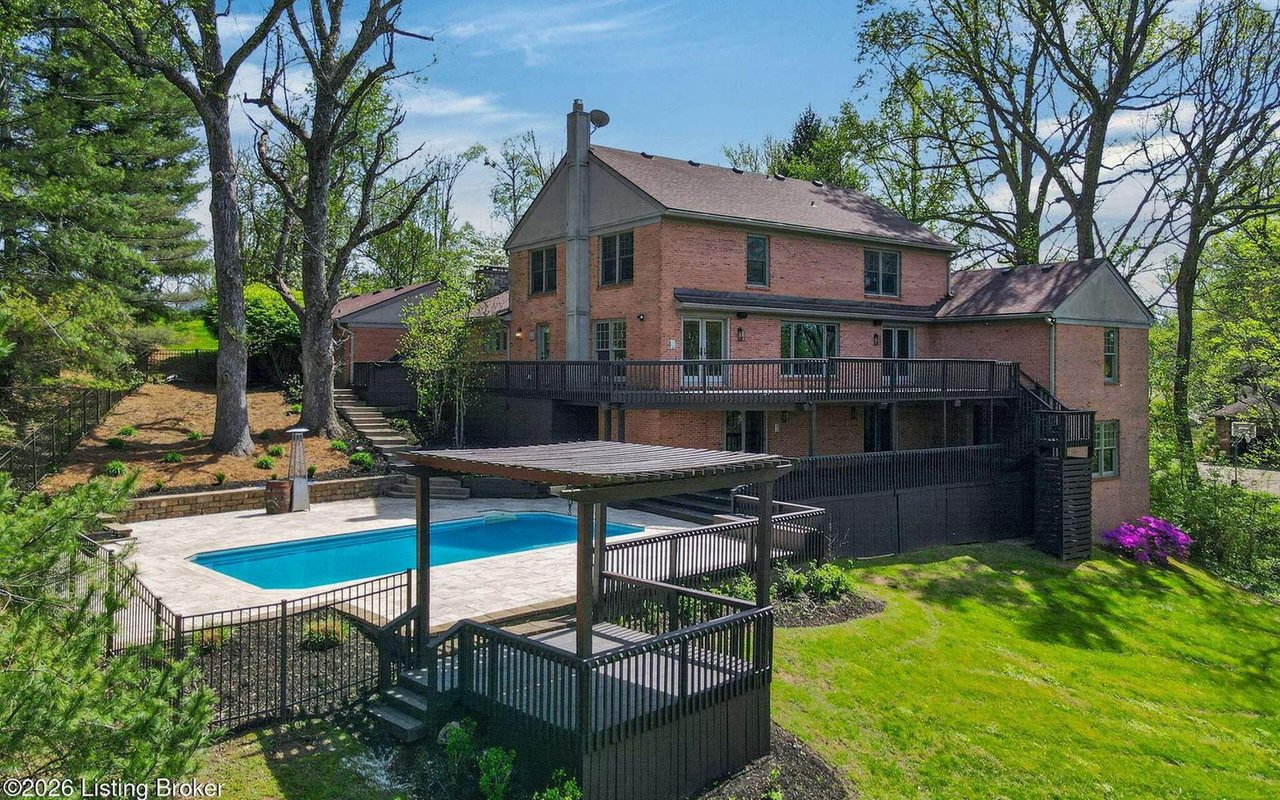
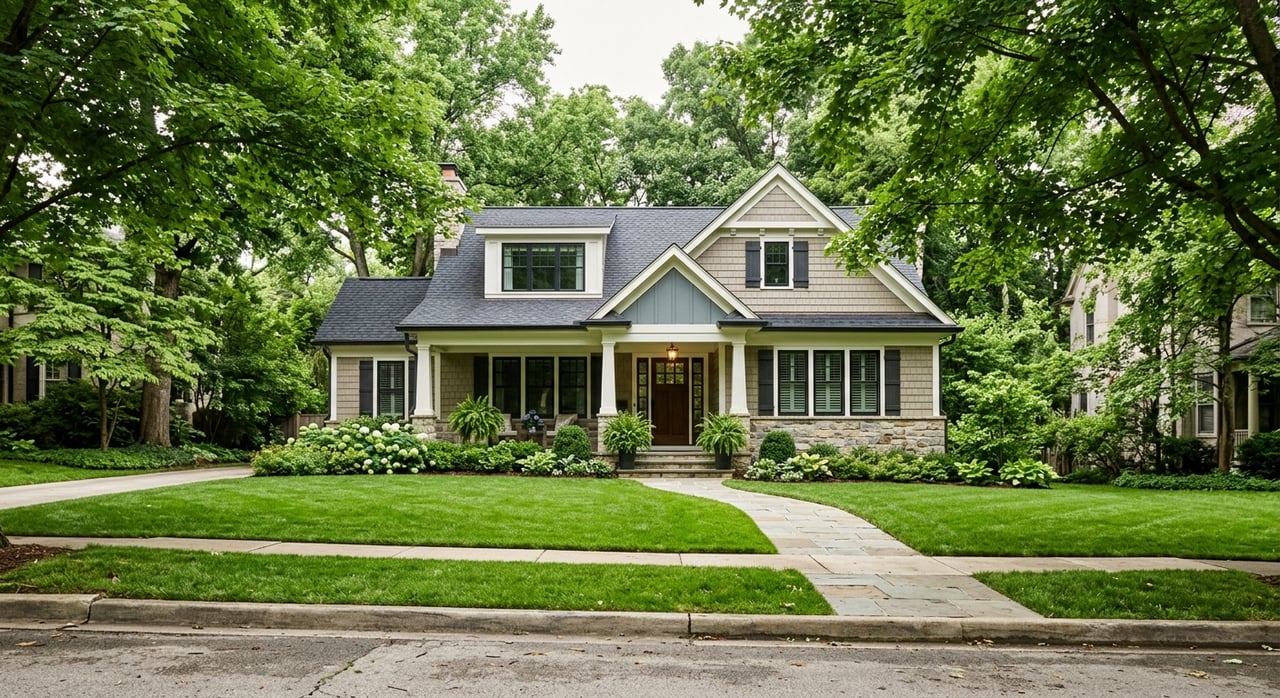
If you are searching for a condo in Willowgate Louisville, one important thing to know is that Willowgate itself appears to be known more for single-family homes. Most of the condo inventory in ZIP code 40299 shows up in nearby East Louisville communities rather than under the Willowgate name.
That does not mean you are out of options. Public listing examples in 40299 show a steady mix of condo choices nearby, and Redfin’s 40299 condo page showed 38 condos for sale last month. For you as a buyer, that means it helps to search the broader 40299 area, not just one neighborhood label.
What Condos Look Like in 40299
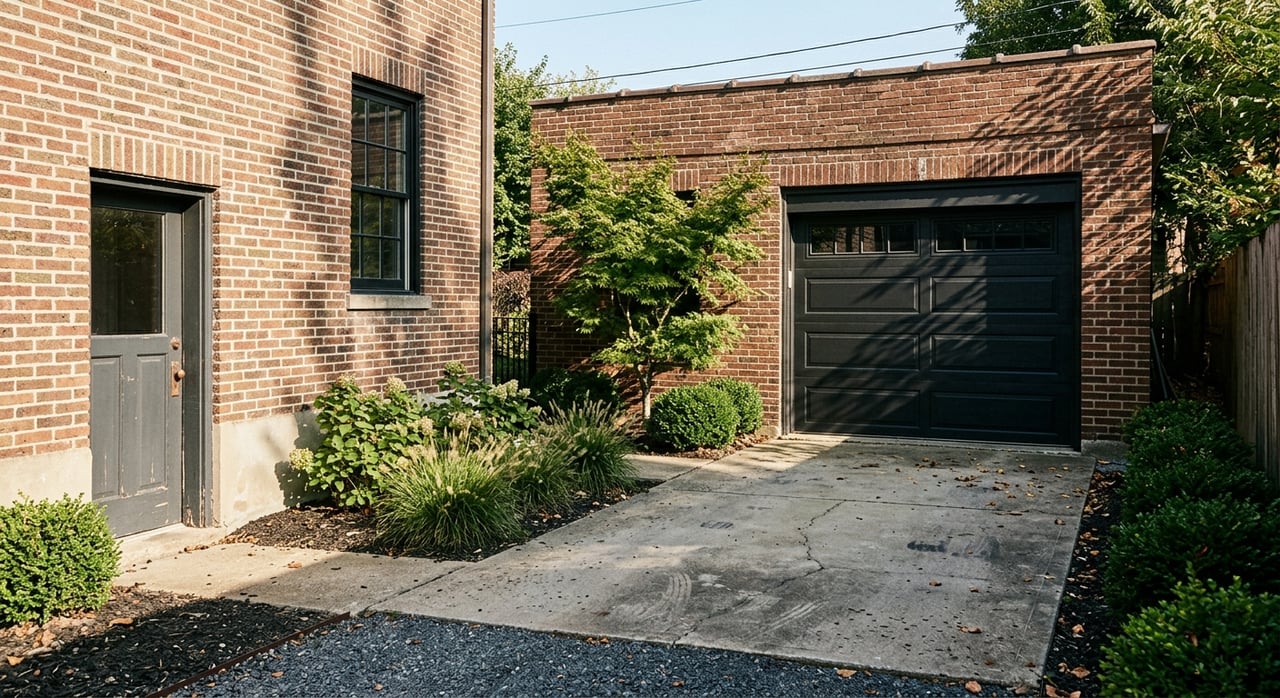
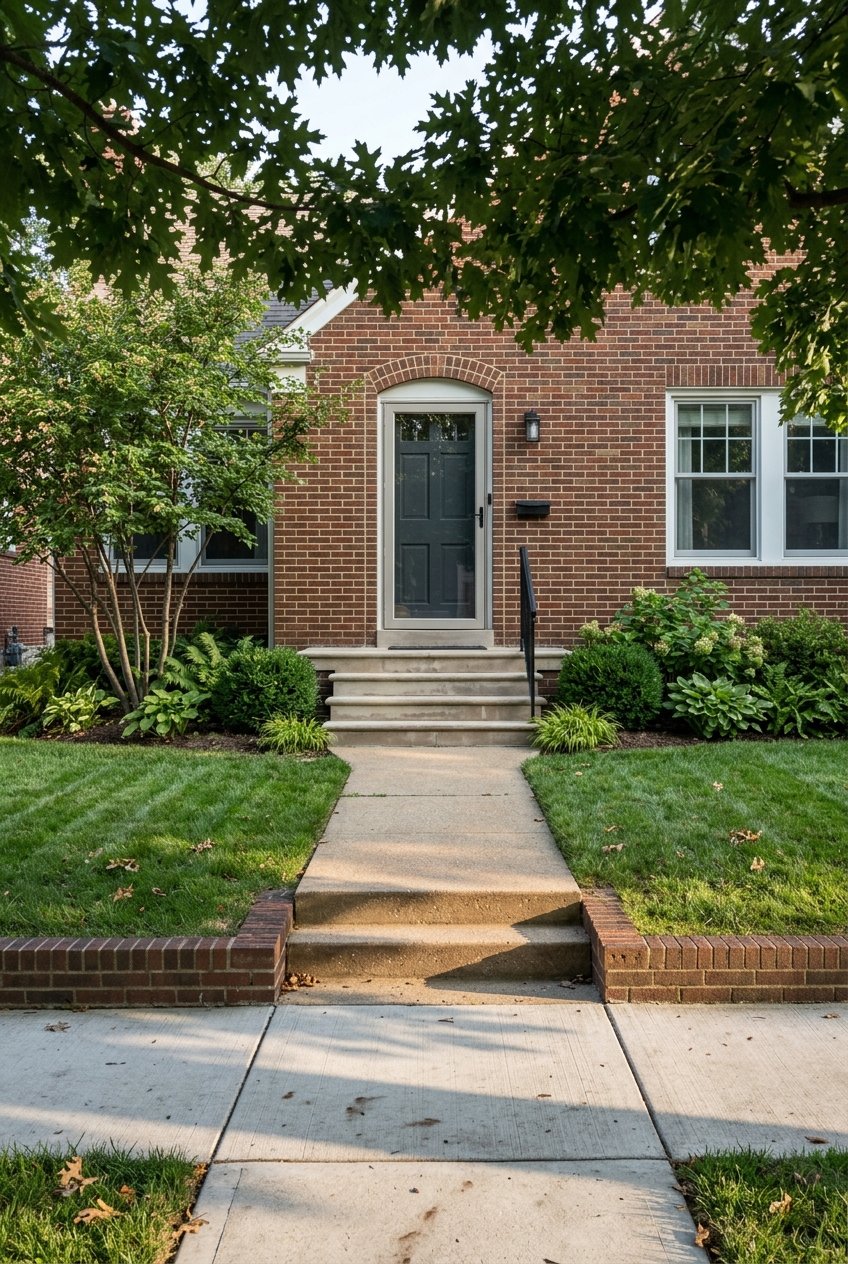
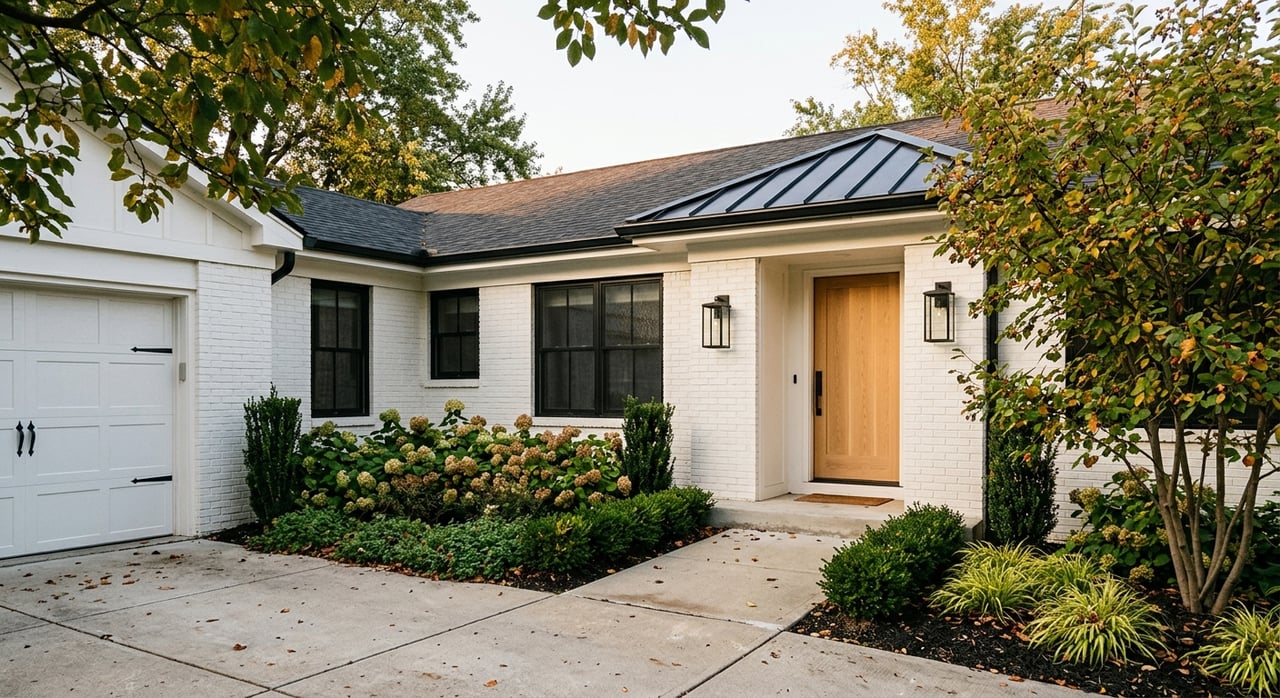
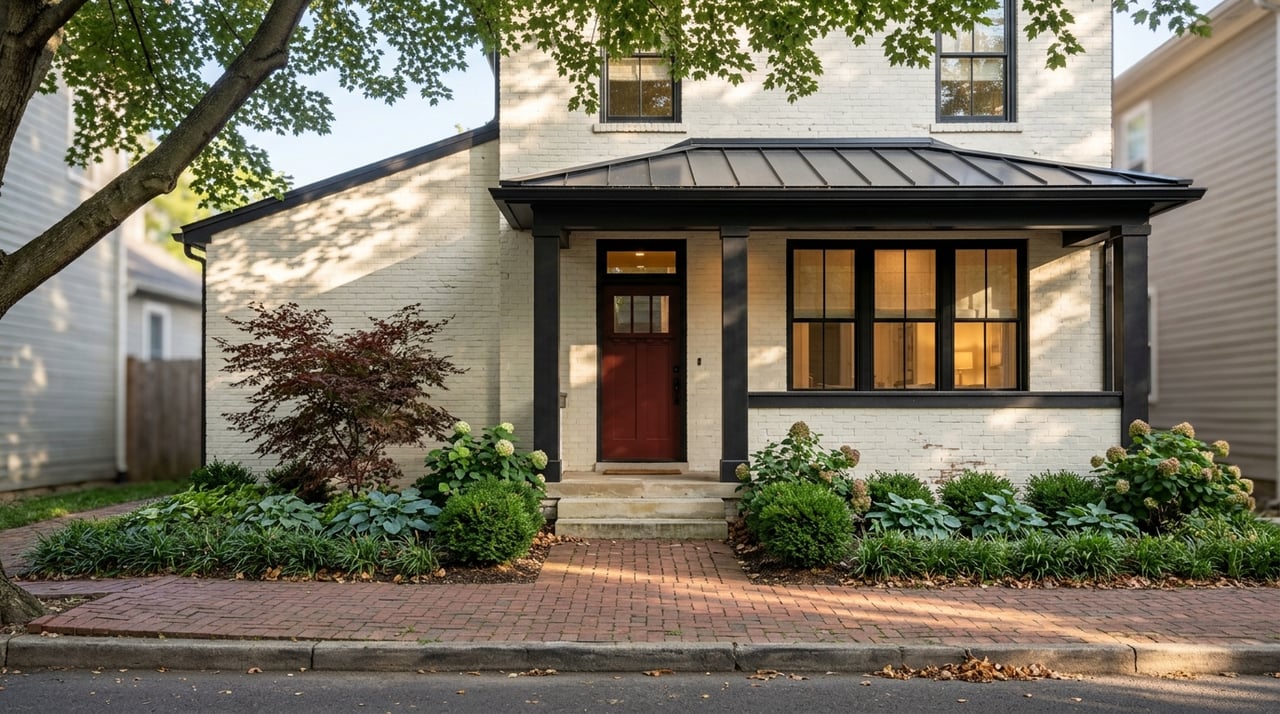
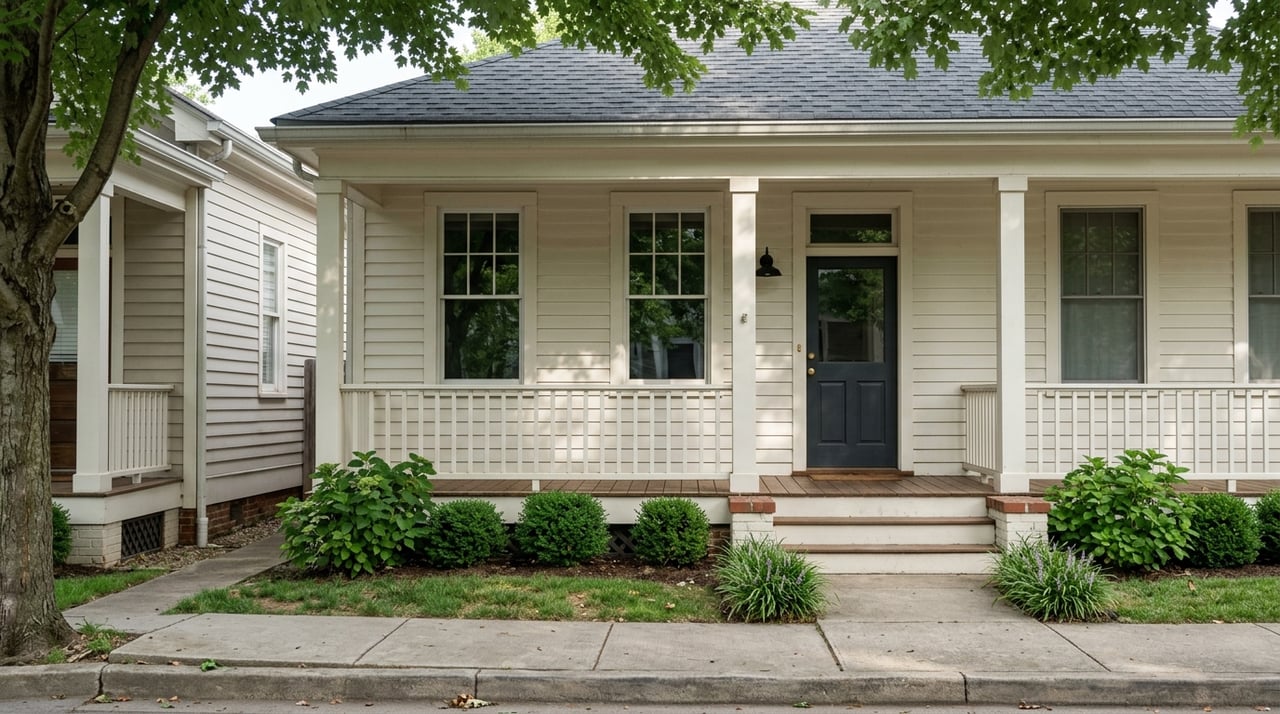
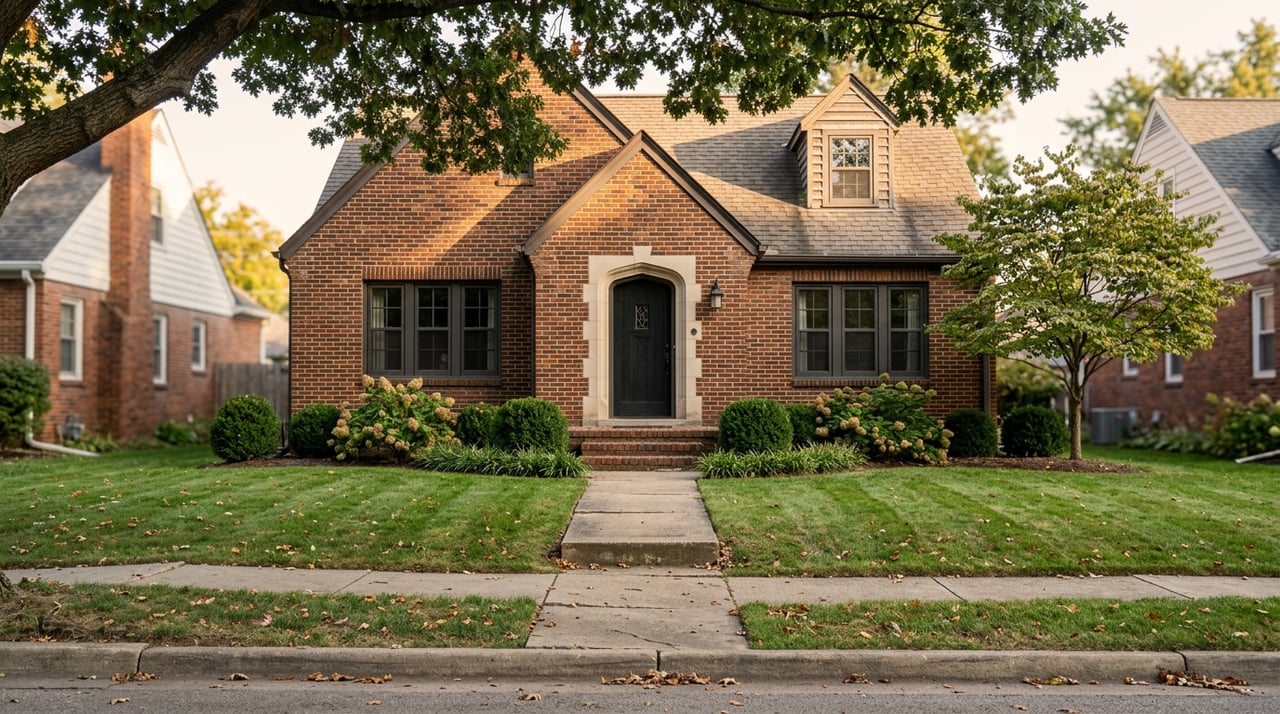
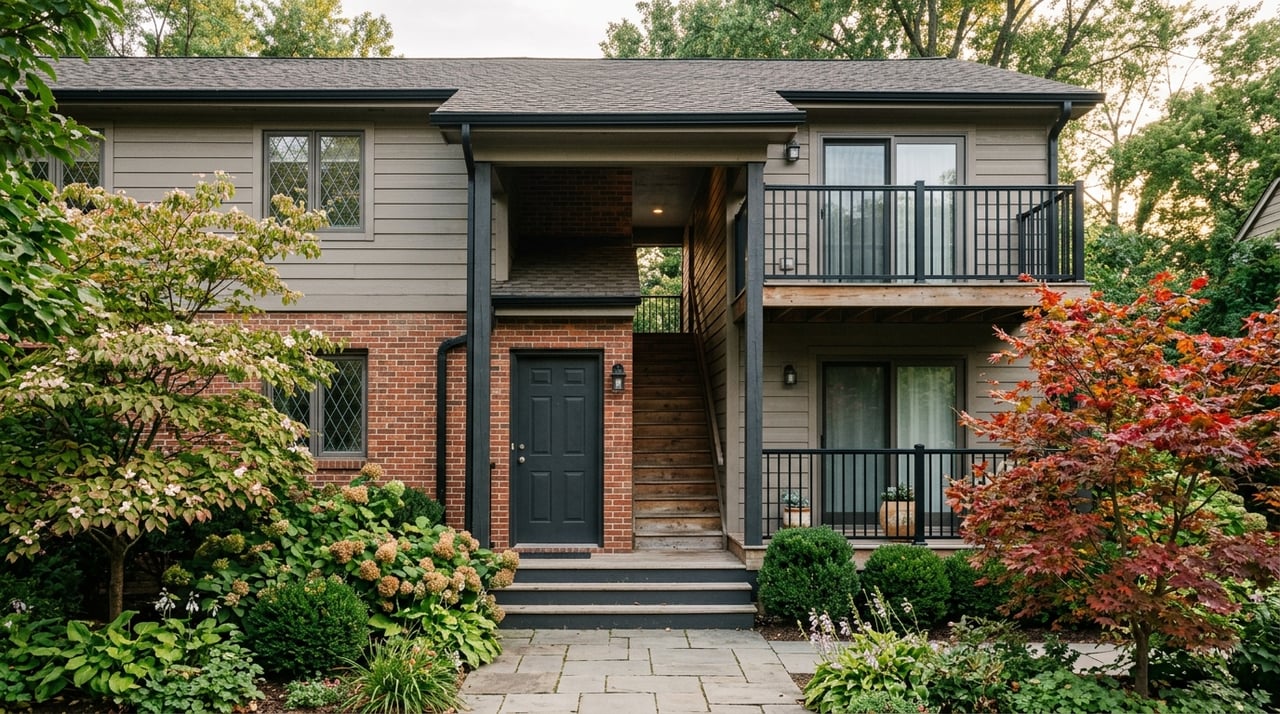
In this part of Louisville, condo living often looks different from what some buyers expect. Instead of high-rise buildings, much of the local condo product appears to be low-rise, attached, or patio-home style communities.
Recent public examples in 40299 include a 2-bedroom, 2-bath Windsor Gate condo with 1,067 square feet and a $205 monthly HOA. Other examples include a Bradford Commons condo around 1,496 square feet with HOA dues between $241 and $255, a Button Willow patio home with 1,665 square feet and a $275 HOA, and a newer Stable Gate condo with 2,654 square feet.
These examples suggest a few common patterns. You may find open layouts, flex rooms, office space, attached garages or assigned parking, and shared amenities like pools or clubhouses. That makes 40299 condos a practical option if you want less exterior upkeep without giving up too much space.
How Condo Ownership Works in Kentucky
Buying a condo is different from buying a detached house. In Kentucky, you typically own your individual unit plus an undivided interest in the common elements of the community.
That matters because you are not just buying walls, floors, and finishes. You are also buying into a shared system that includes the owners’ association, its rules, its budget, its reserve funds, and its insurance coverage.
Kentucky law requires a unit owners’ association to exist no later than the first unit conveyance. The association may adopt rules, create budgets and reserves, assess common expenses, regulate common elements, and in certain situations impose emergency assessments.
The practical takeaway is simple. A condo purchase is part home purchase and part association review. If the unit looks great but the association has weak finances or unclear rules, that can become your problem after closing.
Monthly Costs to Plan For
Your monthly payment is only part of the picture when you buy a condo. In 40299, HOA or condo dues in public examples ranged from about $205 to $331 per month.
Those dues may cover much more than exterior maintenance. Depending on the community, they can include water, ground maintenance, master insurance, pool or clubhouse access, fitness centers, security systems, trash service, snow removal, and other shared costs.
It is also normal for dues to differ between units in the same community. Kentucky law allows associations to allocate some costs based on limited common elements, utilities, or services that benefit certain units more directly.
You should also budget for property taxes separately. The Jefferson County PVA assesses property, but taxing authorities set and collect the rates. The 2025 rate schedule shows that multiple layers may apply, including state, Metro Louisville, school, LDMD, and fire-district rates.
If you plan to live in the property as your primary residence, it is worth asking whether you qualify for the homestead exemption. For the 2025 to 2026 tax year, the Jefferson County homestead exemption is $49,100 for qualifying owner-occupants.
Special Assessments Matter
One of the biggest condo buyer concerns is the possibility of a surprise bill after closing. In Kentucky, the legal framework allows emergency assessments in certain situations involving unsafe, uninhabitable, or uninsurable common structural, utility, or mechanical components, after the required professional opinion and vote.
In plain English, that means a financially strained association can create added risk for owners. A special assessment is not automatic, but it is exactly why reserve funding and maintenance planning deserve close attention.
There may also be smaller association-related costs around closing. Kentucky law allows a fee for preparing the seller certificate, capped at the lesser of $225 or 80% of the current monthly assessment fee, plus up to $50 for an update in the same fiscal year.
Condo Documents to Review Carefully
Kentucky gives buyers important disclosure rights in condo purchases. The seller must provide the declaration, bylaws, rules or regulations, and a current association certificate before contract execution or before conveyance.
That association certificate is especially important because it should disclose key facts that affect your decision. This includes the monthly common-expense assessment, unpaid assessments, other fees, anticipated capital expenditures, reserves, recent financial statements, the current operating budget, pending lawsuits, and insurance coverage.
Kentucky law also says your contract remains voidable until the certificate is delivered, and then for five days after delivery or until closing, whichever comes first. That makes document timing a real part of your due diligence, not just paperwork to skim.
What to Look For in the HOA Package
When you review condo documents, try to focus on the items that affect your real-life costs and risk. A well-run association is not just about rules. It is about whether the community appears financially prepared and clearly managed.
Here are some of the most useful questions to ask:
- What exactly does the HOA fee cover?
- Is parking assigned, deeded, or first-come first-served?
- How much money is in reserves?
- Are there anticipated capital expenditures coming soon?
- What is the remaining useful life of major components?
- What insurance does the master policy cover?
- Are there any unpaid assessments or pending lawsuits?
- Are there rules that affect pets, leasing, or use of shared areas?
Kentucky law also requires associations to keep detailed financial records and have an annual financial report prepared by an independent accountant or CPA within 150 days after the fiscal year ends. For most buyers, the most valuable pieces are the current budget, reserve funding, and latest financial report.
Financing a Condo Can Be Different
If you are financing the purchase, condo approval can be more involved than with a single-family home. With conventional financing, the lender reviews not only the unit but also the condo project itself.
That project review may be a Limited Review, Full Review, PERS review, or waived in some narrower cases, depending on the project type, unit type, and transaction. The condo appraisal also looks at the project in addition to the individual unit.
This matters in 40299 because local condo stock includes patio-home and low-rise formats, not only traditional attached units. Some detached condo units and some smaller condo projects may be treated differently from newly built or newly converted attached condo projects.
If you plan to use FHA financing, there is also a project-level issue. FHA condo loans may be available in FHA-approved projects or in some cases through Single-Unit Approval, but the project must meet specific standards. For VA financing, the condo project must be VA-approved.
The main point is this: before you get too far emotionally, confirm the financing path for the specific condo community you like. That can save you time, frustration, and contract surprises.
Inspections Should Cover More Than the Unit
A condo inspection still matters, even if the association handles some exterior items. You should think about the condition of the unit and the condition of the community.
For the unit, you still want to understand the age and function of major systems and features inside the property. For the community, you want to learn about maintenance patterns, reserve strength, any known physical issues, and whether there are outstanding debts or lawsuits.
Because the association has authority over maintenance, repair, replacement, and modification of common elements, you need a full picture. A beautiful interior can feel a lot less appealing if the broader project has deferred maintenance or weak financial planning.
A Simple Buying Strategy for 40299 Condos
If you want to keep your condo search organized, focus on a clear sequence. That can help you compare properties without missing the details that matter most.
Start With the Right Search Area
Since Willowgate itself appears to be mostly single-family, cast a wider net across 40299. That gives you a better shot at finding the right price point, layout, and HOA setup.
Compare the Full Monthly Cost
Do not look at price alone. Compare mortgage payment, HOA dues, taxes, insurance needs, and any likely maintenance exposure together.
Ask for Documents Early
The sooner you review the declaration, bylaws, rules, and association certificate, the sooner you can spot concerns. That is especially important if you are on a tight timeline.
Verify Financing Fit
Before you get deep into negotiations, confirm whether the project works with your loan type. That step can help you avoid wasted time.
Tour the Community, Not Just the Unit
Pay attention to shared spaces, parking, exterior condition, and overall upkeep. Those details often tell you a lot about how the association operates.
Why Guidance Matters in a Condo Purchase
Condo buying can feel simple at first because exterior maintenance is shared and the floor plans can be easy to compare. But once you get into budgets, reserves, insurance, rules, and financing approval, it becomes clear that condos have their own kind of due diligence.
That is why having clear, local guidance matters. In a market like Louisville’s 40299 area, where many condo options are low-rise or patio-home style, the right approach is to evaluate both the home and the community behind it.
If you want a straightforward plan, quick answers, and help sorting through the details without getting overwhelmed, Ethan John Adams can help you search smarter and move forward with confidence.
FAQs
What should you know before buying a condo in Willowgate Louisville?
- You should know that Willowgate itself appears to be primarily a single-family area, so many condo options will likely be found in nearby 40299 communities rather than under the Willowgate name.
What do HOA fees usually cover for condos in Louisville 40299?
- In public 40299 examples, HOA dues covered combinations of water, ground maintenance, master insurance, exterior maintenance, trash, snow removal, and access to amenities like pools, clubhouses, or fitness centers.
What condo documents should you review in Kentucky before closing?
- You should review the declaration, bylaws, rules or regulations, and the current association certificate, which may include fees, reserves, financial statements, budget details, insurance coverage, and pending lawsuits.
What makes condo financing different from single-family financing?
- Condo financing often requires the lender to review the entire project, not just the unit, and loan eligibility can depend on the community’s legal, financial, and insurance status.
Why do reserves and special assessments matter when buying a condo?
- Reserve funds help cover future repairs and replacements, while weak reserves can raise the risk of special assessments if the community faces major common-area expenses.
Are condos in Louisville 40299 mostly high-rise buildings?
- No. Based on recent public examples, the local condo stock in 40299 appears to skew more toward low-rise and patio-home style properties rather than tower living.