Wondering how to sell your Indian Hills home without overpricing it, underpreparing it, or losing time once it hits the market? That concern is valid, especially in a small, higher-price neighborhood where buyers tend to notice condition, presentation, and pricing quickly. The good news is that a smart plan can help you stand out and keep your sale moving with fewer surprises. Here’s how to prep, price, and launch your Indian Hills home with confidence.
Why Indian Hills Requires a Thoughtful Strategy
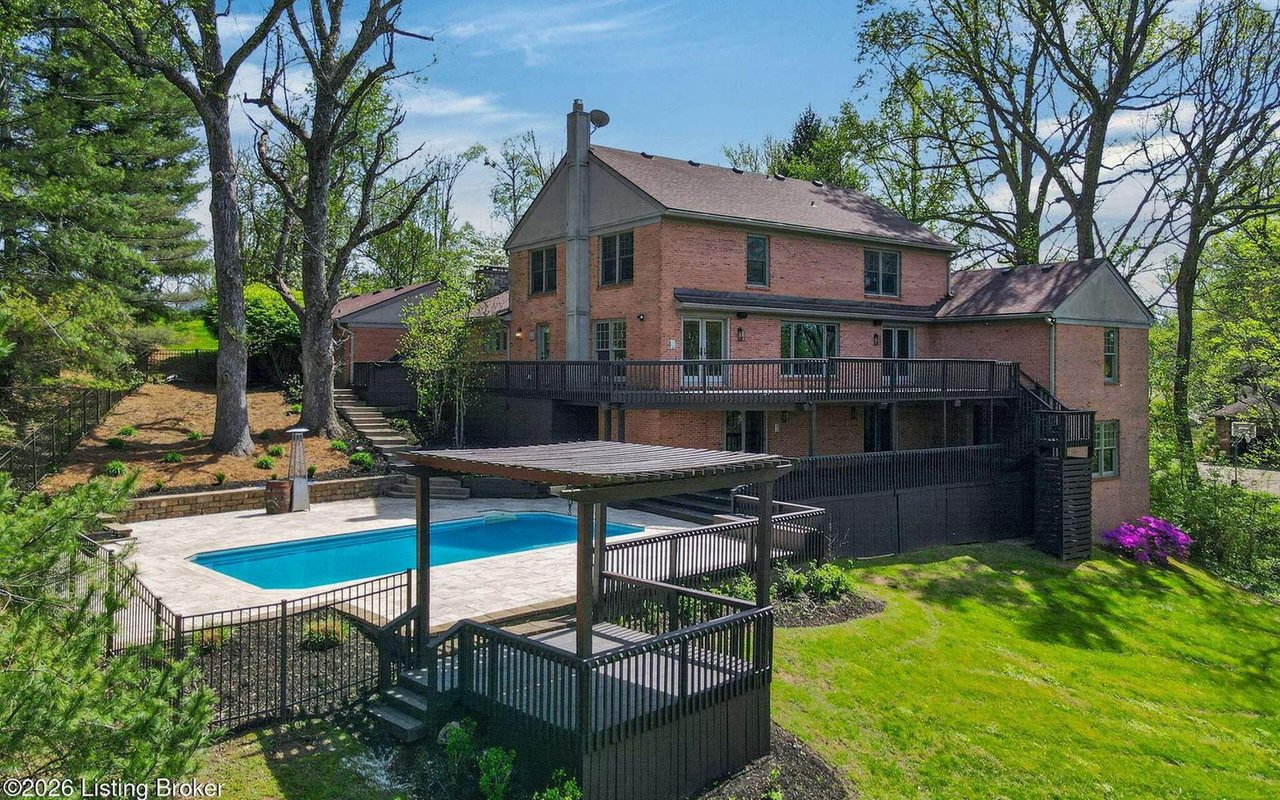
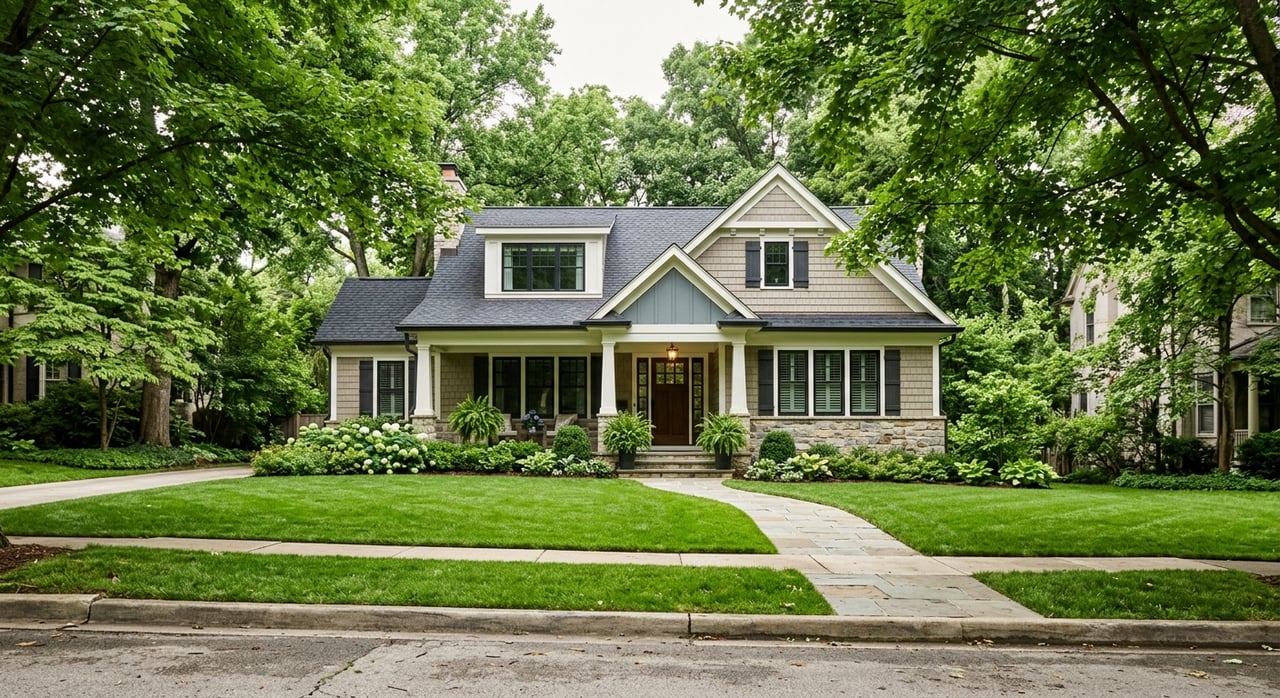
Indian Hills is not just another Louisville-area submarket. It is a small home-rule city in Jefferson County with about 2,860 residents and 1,316 housing units, and its design history emphasizes curving streets, mature trees, and open green space. That means buyers often notice not only the house itself, but also how the home sits on the lot and how the exterior feels from the street.
As of March 2026, Indian Hills was considered a seller’s market. Realtor.com reported a median listing price of $675,000, 27 homes for sale, a 37-day median on market, and a 100% sale-to-list ratio. At the same time, the median listing price was down 10% year over year and 4.56% month over month, which is a good reminder that even in a seller-favored market, pricing still needs to be disciplined.
Start With Exterior Presentation
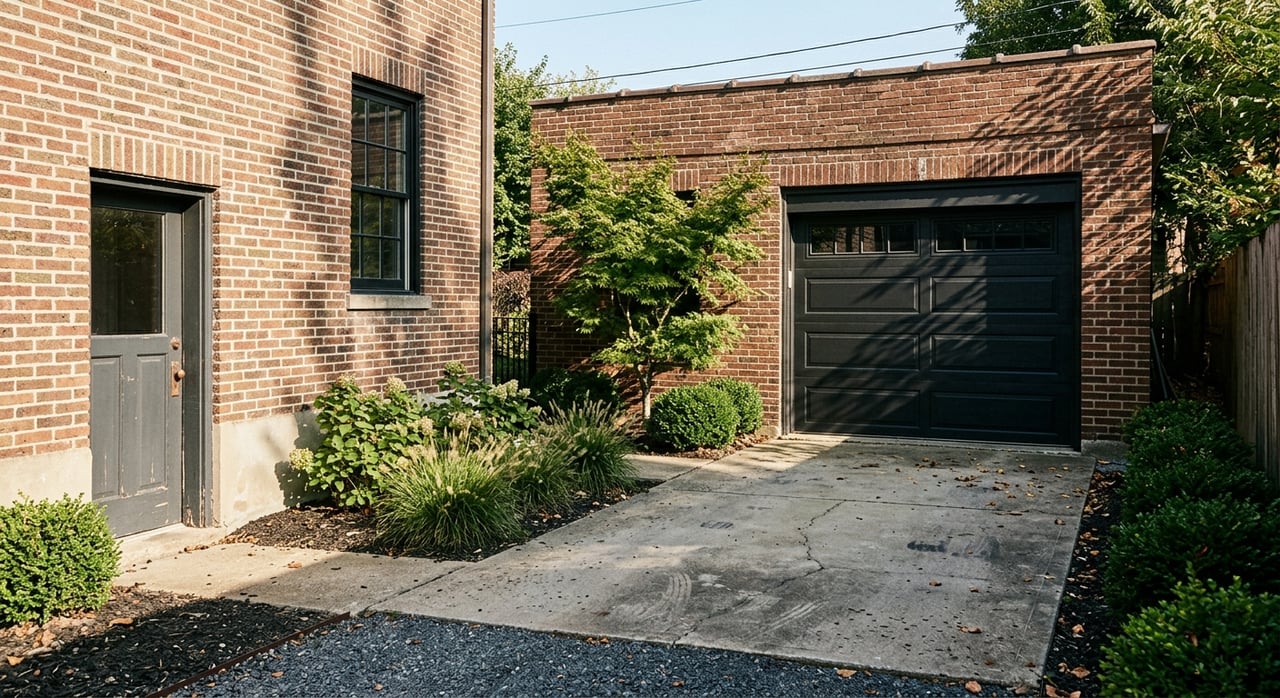
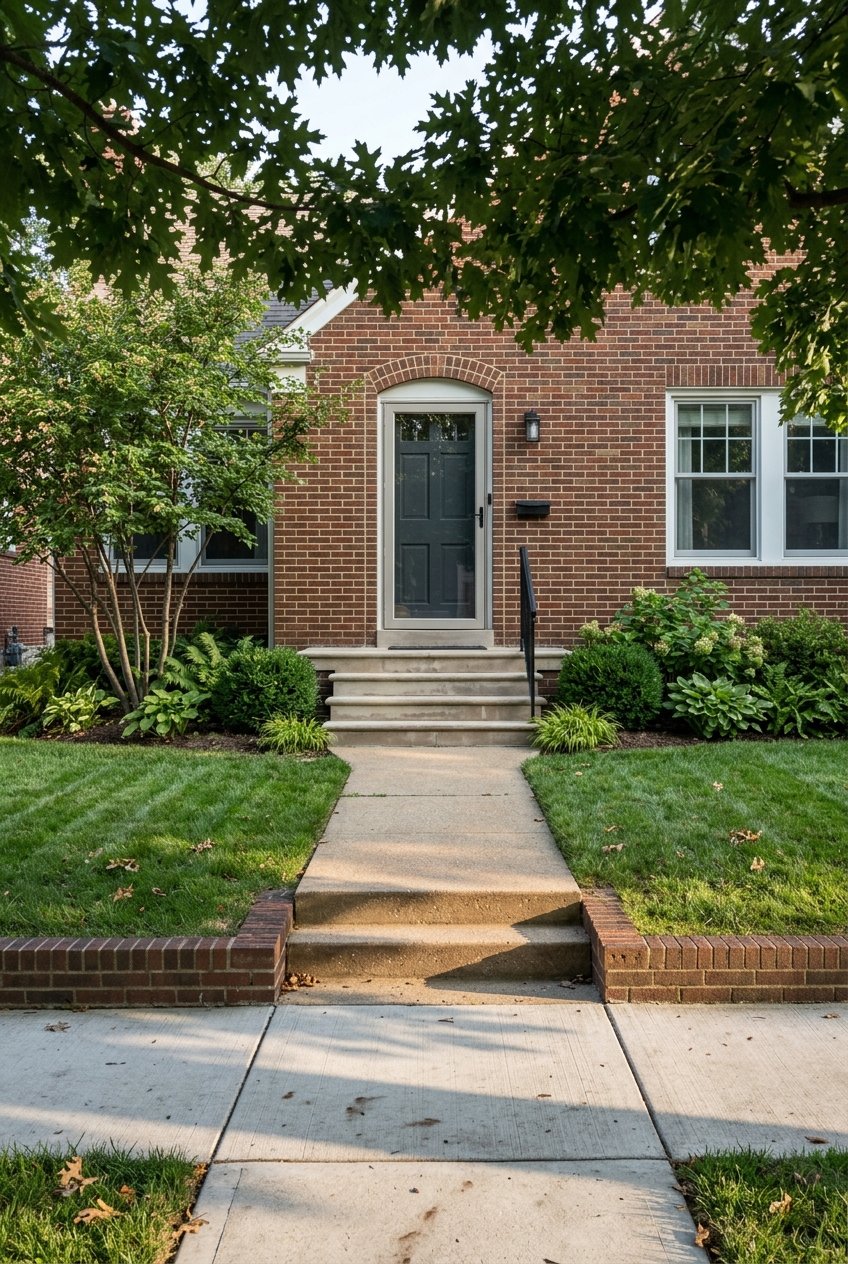
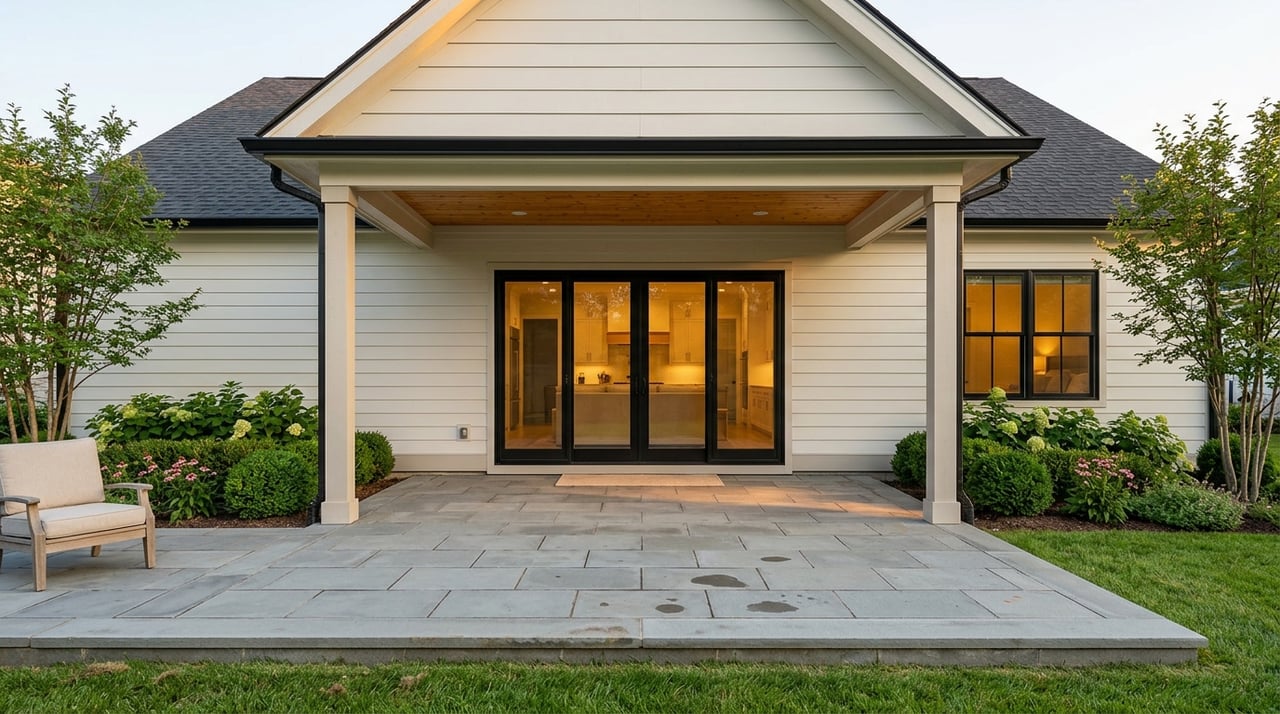
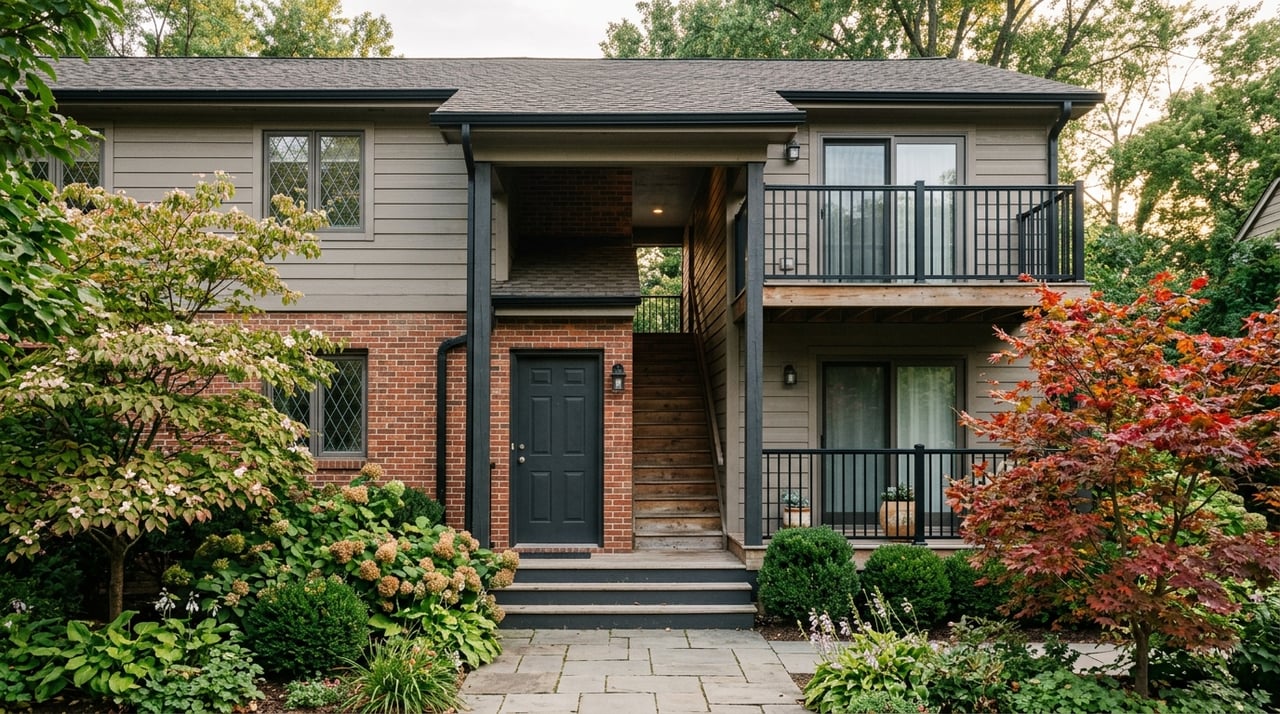
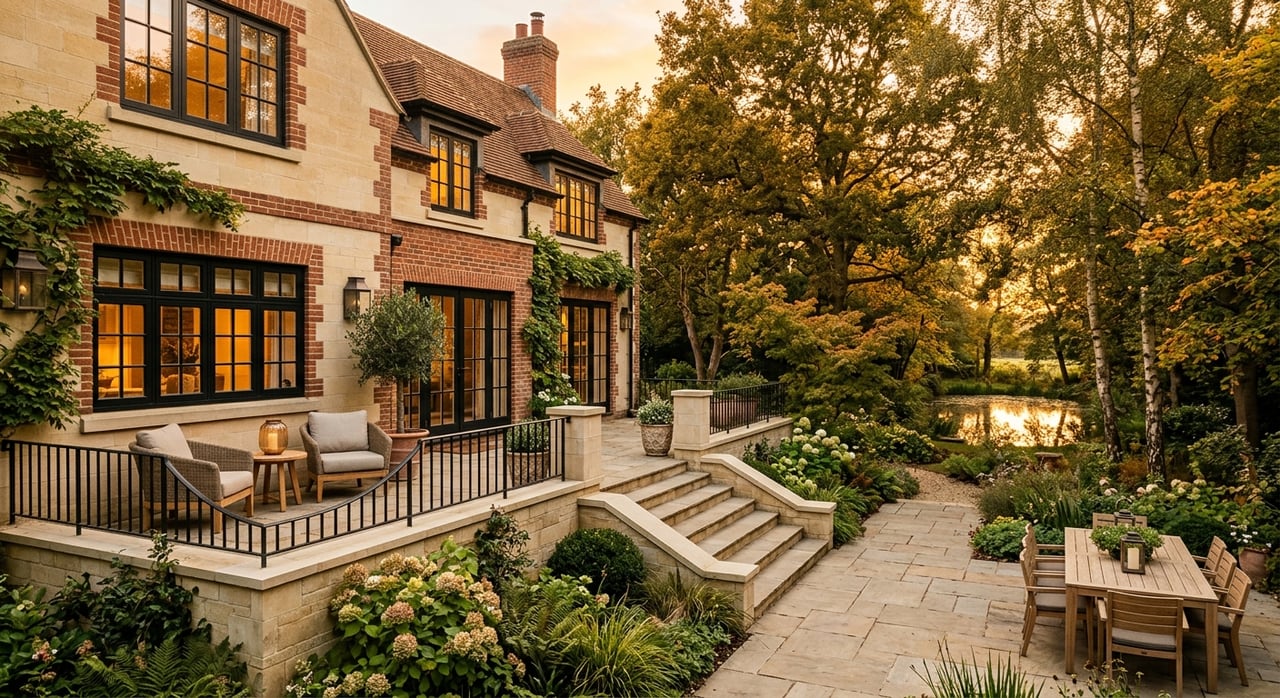
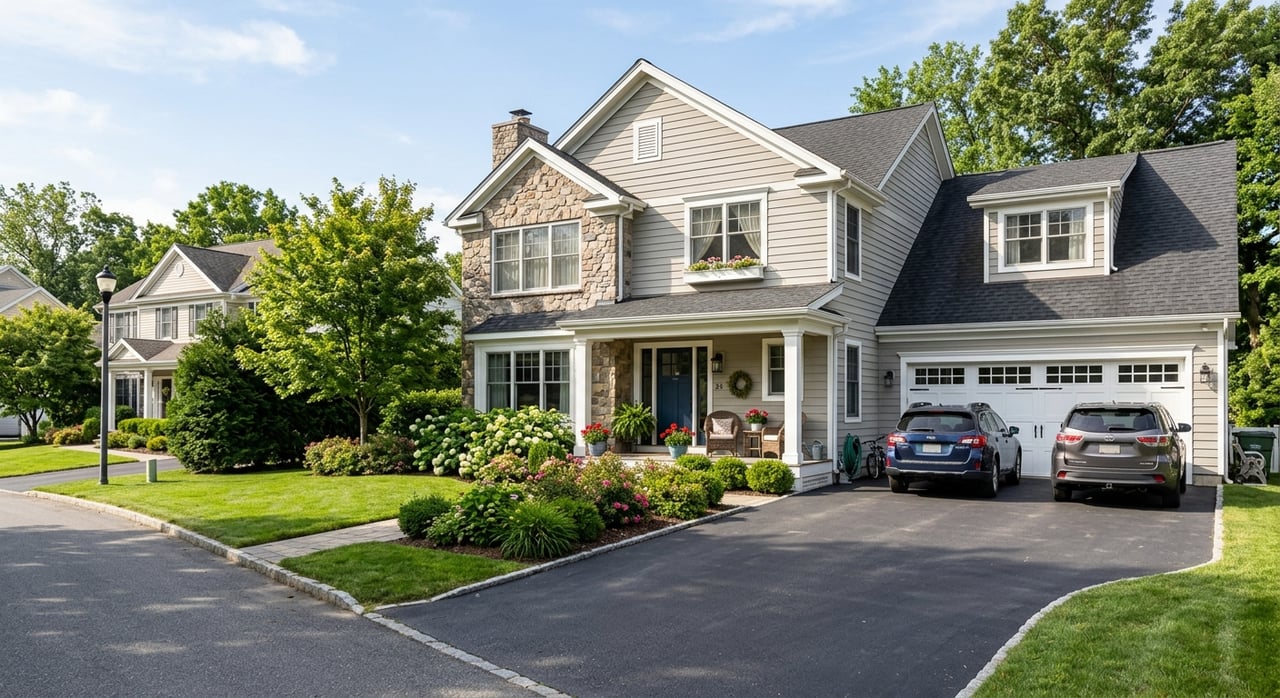
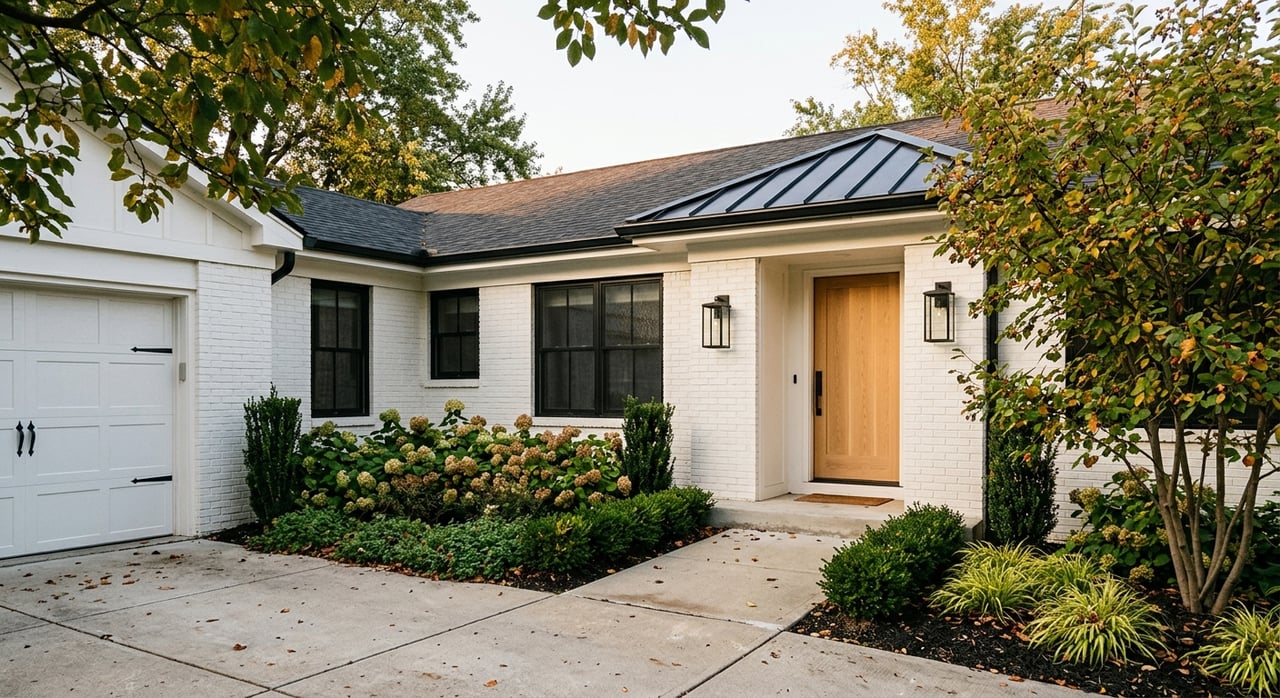
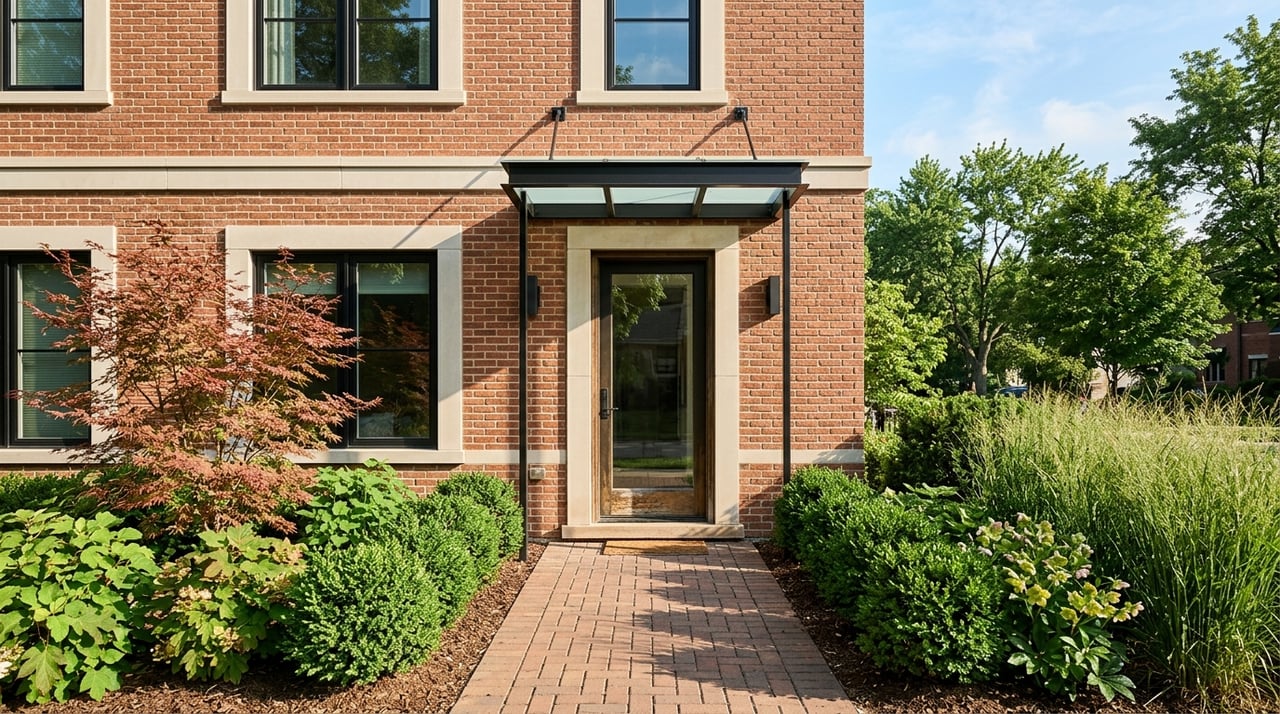
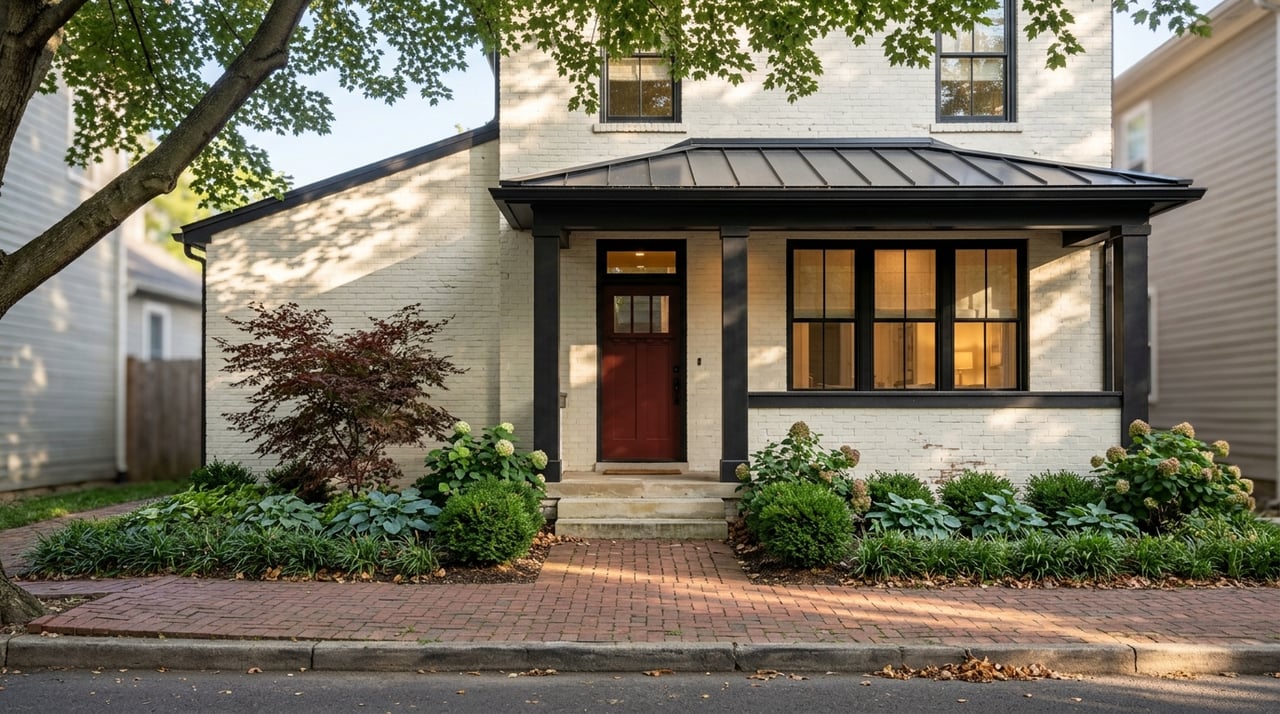
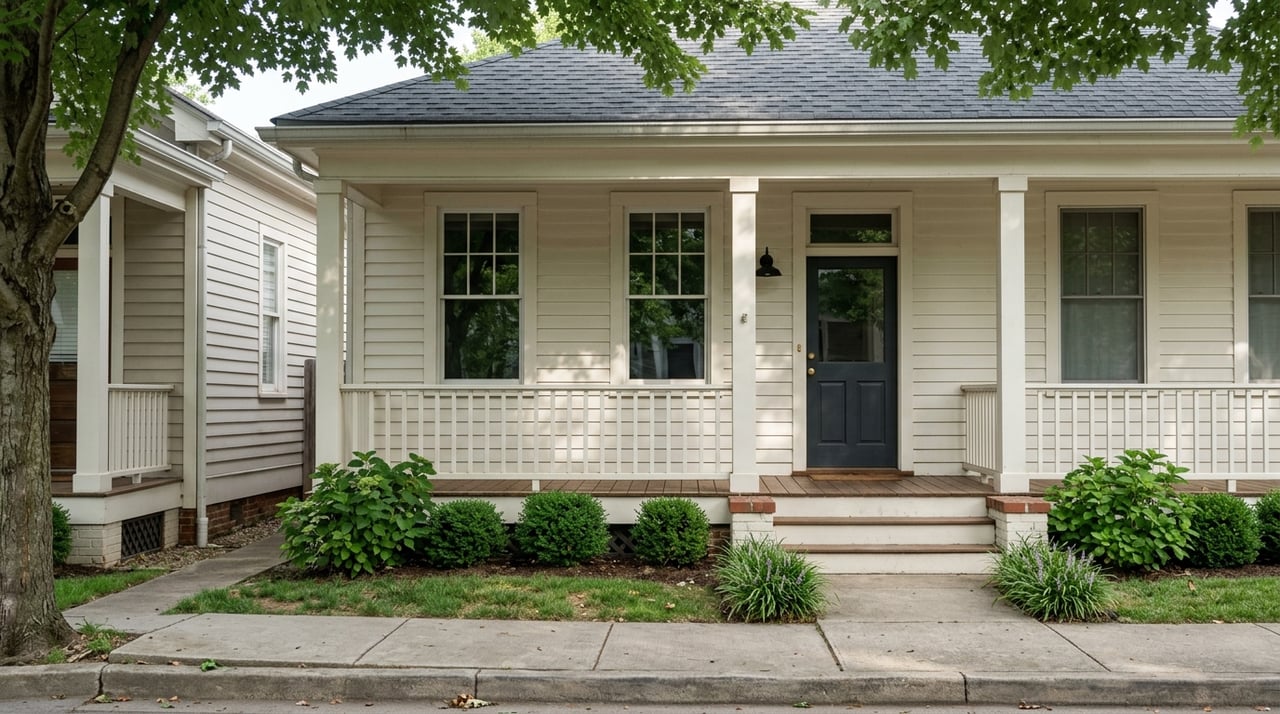
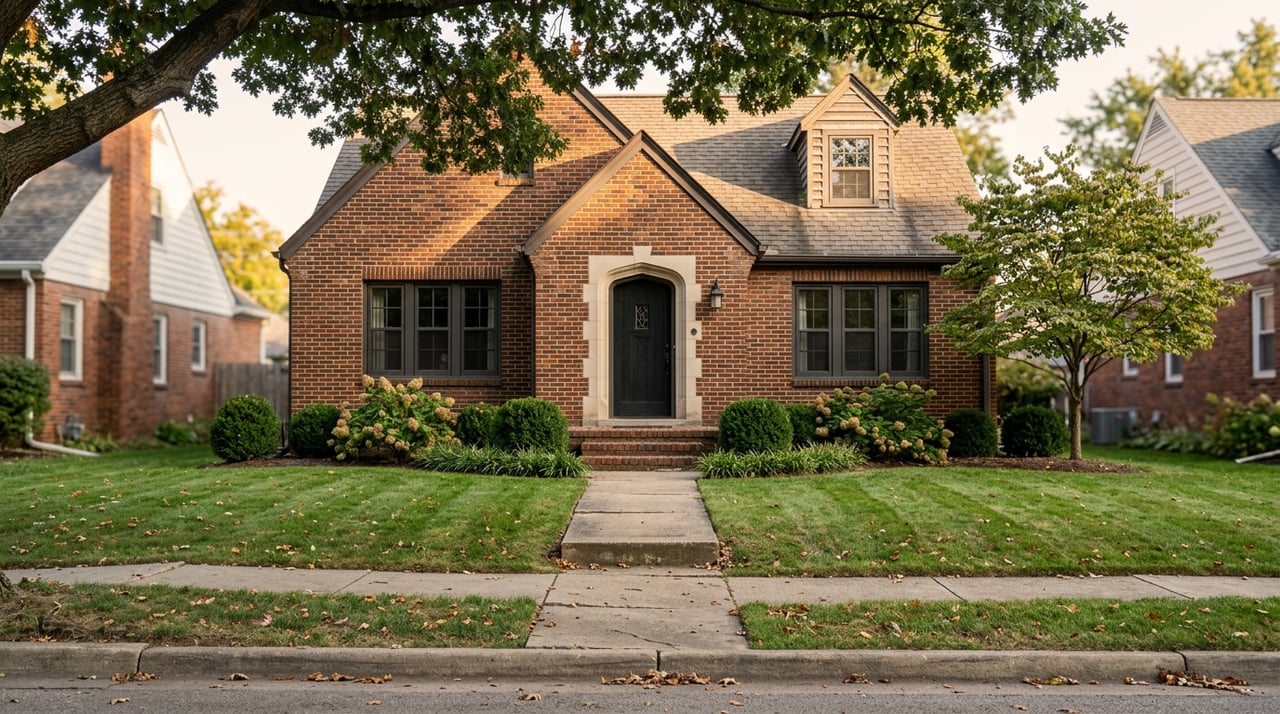
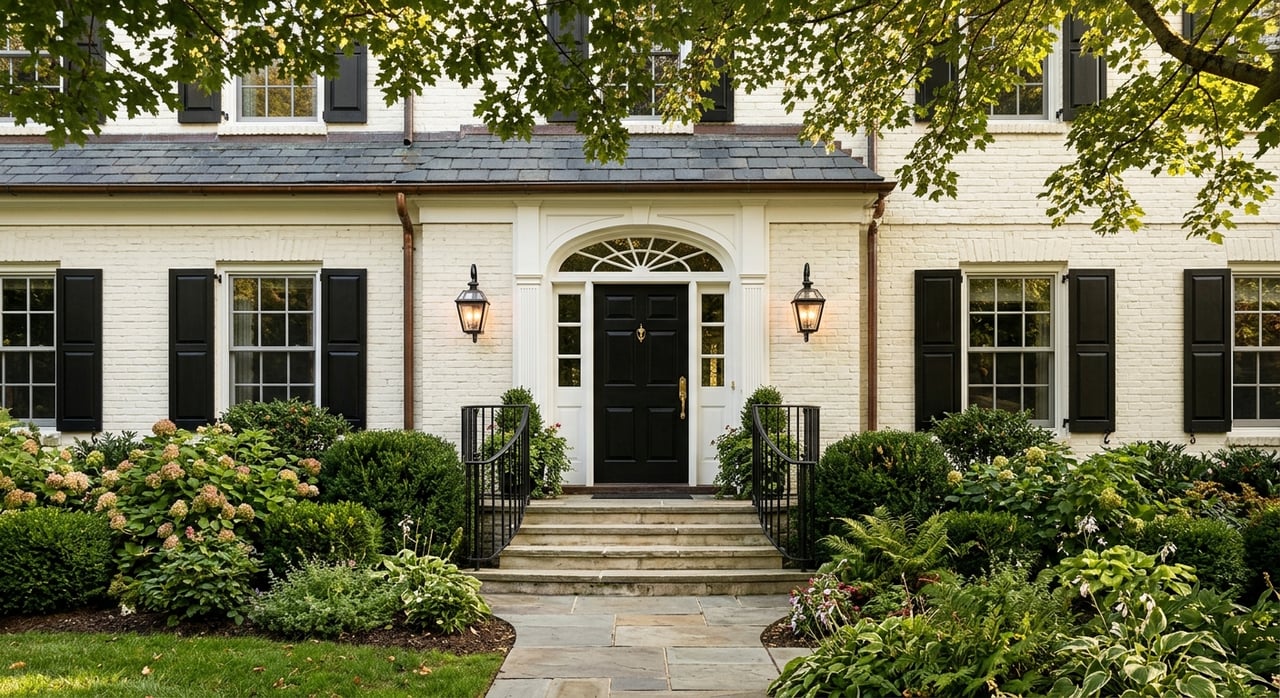
In Indian Hills, first impressions matter. Because the area is known for preserved trees, green space, and natural contours, a clean and well-kept exterior can support the overall value story of your home. You do not necessarily need major landscaping changes to make an impact.
A restrained approach usually works best. Focus on cleanup, basic maintenance, tidy edges, fresh mulch if needed, and a polished entry experience. The goal is to make your home feel cared for and market-ready without doing anything that feels out of place for the setting.
According to the 2025 Profile of Home Staging, 77% of seller agents recommended improving curb appeal. That same report found that 49% of agents said staging reduced time on market, which supports the idea that visible prep work often helps buyers respond faster.
Prioritize the Prep Buyers Notice Most
If you are trying to decide where to spend your time and money, start with the basics that consistently matter. The same 2025 staging data found that 91% of seller agents recommended decluttering and 88% recommended cleaning the entire home. Those are simple steps, but they often make a big difference in how your home looks in person and online.
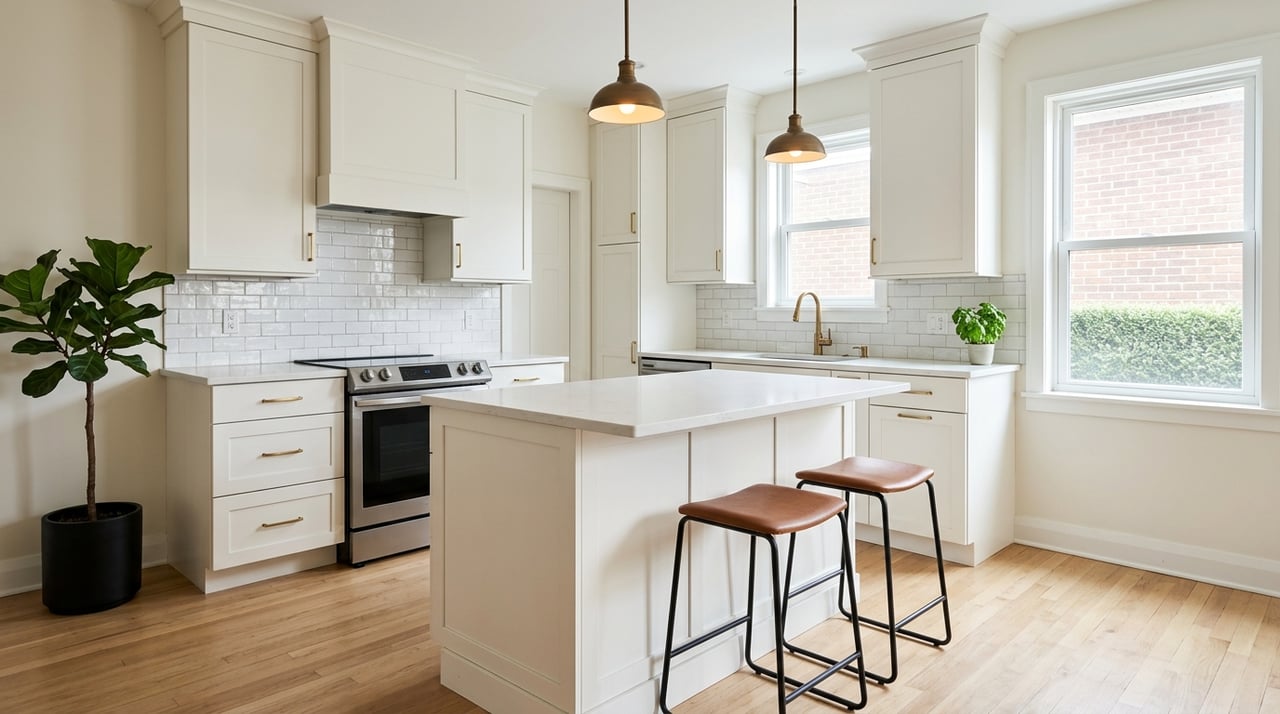
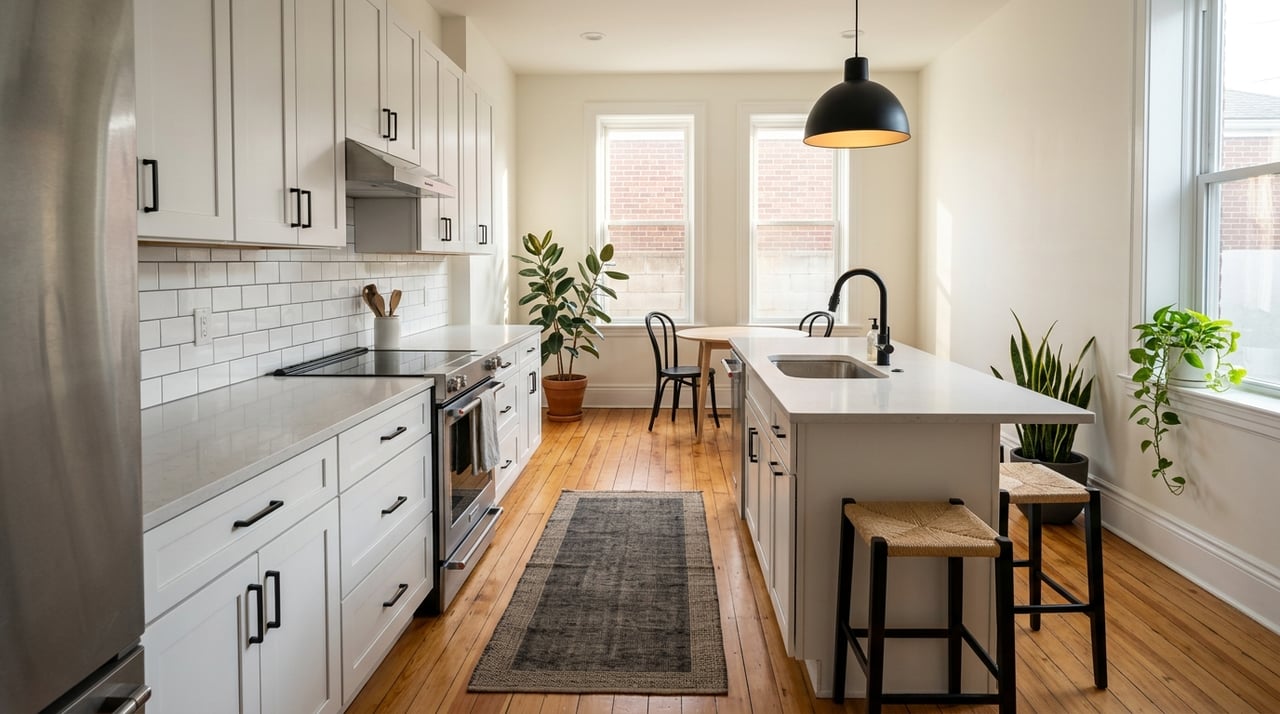
For most Indian Hills sellers, the strongest return usually comes from light, visible improvements rather than major remodeling. Think paint touch-ups, updated hardware, cleaner trim, refreshed lighting, and flooring cleanup. These kinds of details help buyers focus on the home itself instead of a to-do list.
The rooms most often prioritized for staging are the living room, primary bedroom, dining room, and kitchen. If you are not sure where to begin, start there and work outward.
Think Photo-First Before Listing
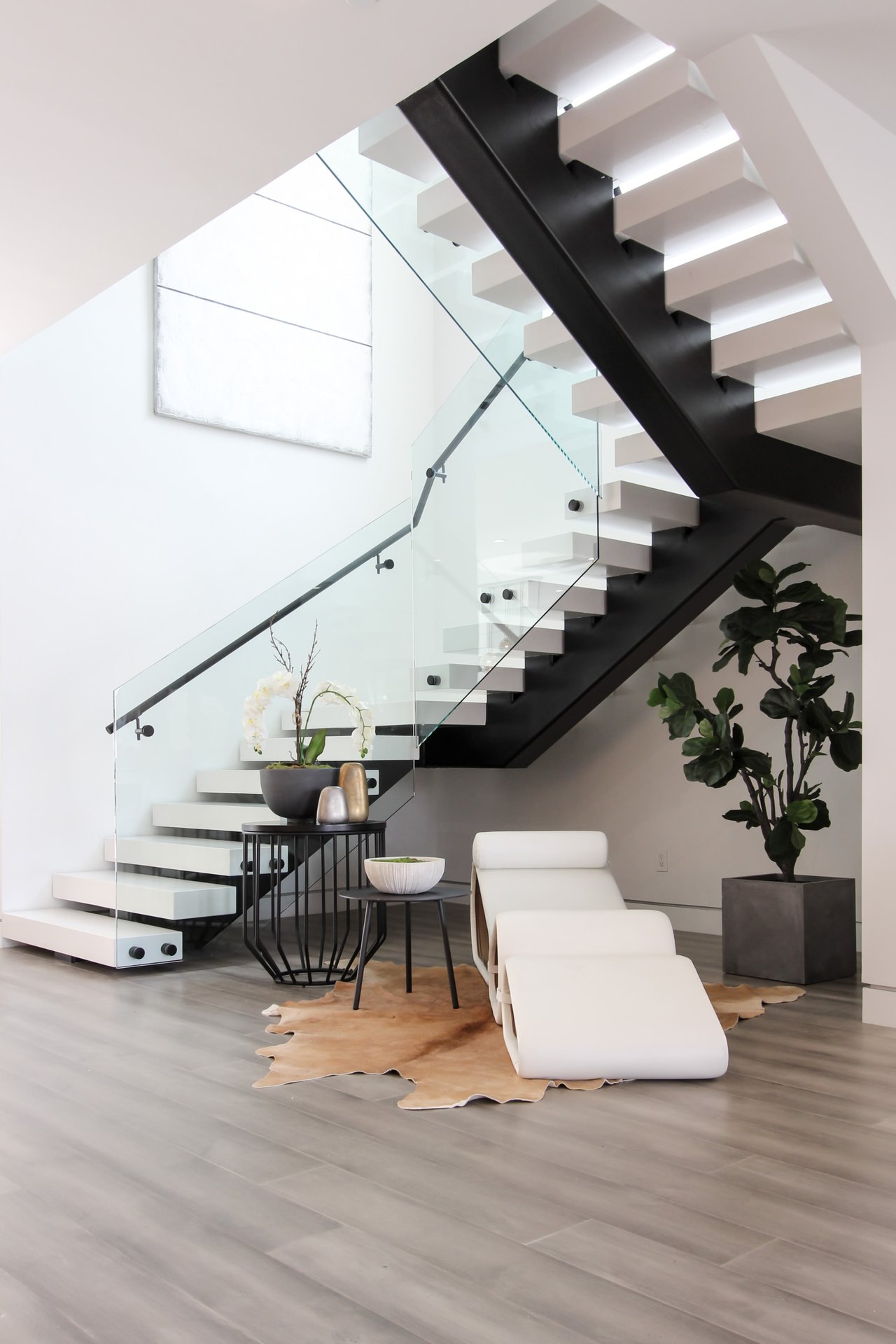
Most buyers will meet your home online before they ever schedule a showing. That is why your prep plan should support the photos first, then the in-person experience second. Clean sightlines, less visual clutter, and bright, orderly rooms can make a strong difference.
Buyer’s agents in the staging report said photos were highly important to their clients at 73%, followed by physical staging at 57%, videos at 48%, and virtual tours at 43%. They also said staging made it easier for buyers to picture the property as their future home. In practical terms, that means your home should look clean, open, and easy to understand in every room.
Check Permit Rules Before Exterior Work
Before you schedule last-minute outdoor projects, make sure you understand the city’s permit rules. Indian Hills has its own requirements, and permits may be needed for projects such as additions, remodeling, demolition, driveways, parking areas, fences, outdoor lighting, portable storage containers, swimming pools, utility installations, and tree cutting or removal.
That matters because a seller timeline can get delayed if work begins without the proper approval. If you are considering exterior changes to boost curb appeal, verify city requirements early so your listing plan stays on track.
Get Disclosure Prep Done Early
One of the easiest ways to reduce stress later is to prepare disclosures before your home goes live. In Kentucky, when a licensee is involved in the sale of a single-family residential property, the seller’s disclosure form must be completed and signed when the listing agreement or similar marketing agreement is executed.
The form covers items such as basement leaks, roof leaks, water supply, sewage service, and the working condition of component systems. The Kentucky Real Estate Commission form also includes lead-based paint disclosure language and a radon note. The practical takeaway is simple: gather your records early and answer disclosure questions before buyers are waiting.
If your home was built before 1978, lead-based paint disclosure rules also apply. In that case, it is smart to collect any prior inspection reports and repair records upfront.
Price From the CMA, Not From Hope
Pricing is where many sellers gain or lose momentum. In a neighborhood like Indian Hills, a small number of listings can make pricing mistakes harder to fix because buyers at this price point are usually comparing carefully. A strong asking price should come from a comparative market analysis, not just from what you hope the home will bring.
A CMA looks at your home’s size, condition, amenities, and location, along with current market conditions and comparable properties. That includes recently sold homes, active competition, and homes that are under contract. This matters in Indian Hills because lot setting, presentation, and condition can all shape buyer perception in ways that broad county averages do not capture.
The current data suggest a balanced mindset. Indian Hills homes were selling for about asking price on average in March 2026, but the median listing price had also declined year over year and month over month. That points to a market where buyers will still pay for value, but they may not reward overreach.
What Smart Pricing Looks Like Right Now
A smart launch price is defensible, competitive, and supported by the numbers. It should give buyers a reason to act, not a reason to wait for a reduction. In a market with limited inventory, it can be tempting to stretch, but that approach can backfire if buyers feel the home is chasing the market instead of meeting it.
If your goal is a faster sale, a more competitive asking price may make sense. You should also remember that the highest offer is not always the best one. Offer structure, financing, contingencies, and timing can matter just as much as the headline price.
Expect Inspection and Repair Negotiations
Once your home is live and under contract, the next pressure point is often the inspection period. While some buyers may waive inspections in competitive markets, inspection contingencies are still common. Buyers may use the results to request repairs, negotiate a credit, or in some cases cancel if the contract is contingent on a satisfactory inspection.
For sellers, this is why early prep matters. A pre-list inspection can help you understand issues in advance and decide what to fix before the home hits the market. In Indian Hills, where maintenance and presentation can shape value, that extra step can help reduce friction later.
If issues come up, negotiations often center on three things:
- Repair scope
- Seller credits
- Closing timeline
In some situations, offering a credit may be cleaner than taking on repairs during escrow. The right approach depends on the contract terms, the buyer’s financing, and how much leverage you have at that point.
Be Ready for the Appraisal
If your buyer is using financing, the sale will likely involve an appraisal. The appraiser uses comparable sales, condition, location, size, renovations, and other property features to estimate market value. If the appraised value comes in below the contract price, that can affect the buyer’s loan and trigger another round of negotiation.
That is another reason pricing and presentation work together. A well-supported CMA helps justify the price from the start, and a clean, well-maintained home helps reinforce the value story during the appraisal process.
Plan for Three Selling Phases
Many sellers feel overwhelmed because they treat the entire sale as one big event. In reality, it helps to break it into three clear phases so you can stay organized and avoid last-minute decisions.
Phase 1: Pre-list prep
This is where you handle decluttering, cleaning, light updates, exterior presentation, permits if needed, and disclosures. If you want to get ahead of repairs, this is also when a pre-list inspection may be useful.
Phase 2: Market launch and showings
This is the active listing period, when your photos, pricing, and home condition all start working together. In Indian Hills, the median days on market was 37 in March 2026, so this phase may move fairly quickly if the home is well-positioned.
Phase 3: Contract-to-close
After you accept an offer, the focus shifts to inspections, repair requests, credits, appraisal, and closing coordination. A smooth finish often depends on how much work you did before the listing ever went live.
The Bottom Line for Indian Hills Sellers
Selling in Indian Hills is not about doing everything. It is about doing the right things in the right order. Clean presentation, disciplined pricing, early disclosure prep, and a realistic plan for inspections and appraisal can help you protect both your time and your outcome.
If you want a sale that feels organized instead of chaotic, the best first step is a local pricing and prep conversation built around your specific home. When you are ready, Ethan John Adams can help you build a clear plan from market prep through closing.
FAQs
What is the Indian Hills housing market like for sellers right now?
- As of March 2026, Indian Hills was considered a seller’s market, with a median listing price of $675,000, 27 homes for sale, a 37-day median on market, and a 100% sale-to-list ratio.
How should you prepare an Indian Hills home before listing?
- Focus first on decluttering, whole-home cleaning, curb appeal, and light visible updates like paint touch-ups, hardware refreshes, and cleaning up trim, flooring, and entry areas.
Do you need permits for exterior work in Indian Hills?
- Yes, the city says permits may be required for work such as remodeling, driveways, fences, outdoor lighting, portable storage containers, pools, utility installations, and tree cutting or removal.
When do Kentucky seller disclosures need to be completed?
- For a single-family residential sale involving a licensee, Kentucky law requires the seller’s disclosure form to be completed and signed when the listing agreement or similar marketing agreement is executed.
How should you price a home in Indian Hills?
- Your asking price should be based on a comparative market analysis that considers your home’s size, condition, amenities, location, current competition, and recent comparable sales.
What happens if a buyer’s inspection finds problems with an Indian Hills home?
- The buyer may ask for repairs, request a credit, or possibly cancel under an inspection contingency, so it helps to prepare early and understand your options before negotiations begin.
Why does the appraisal matter when selling an Indian Hills home?
- If the buyer is financing, the appraisal can affect the loan approval, and a low appraisal may lead to renegotiation, so strong pricing support and solid presentation both matter.