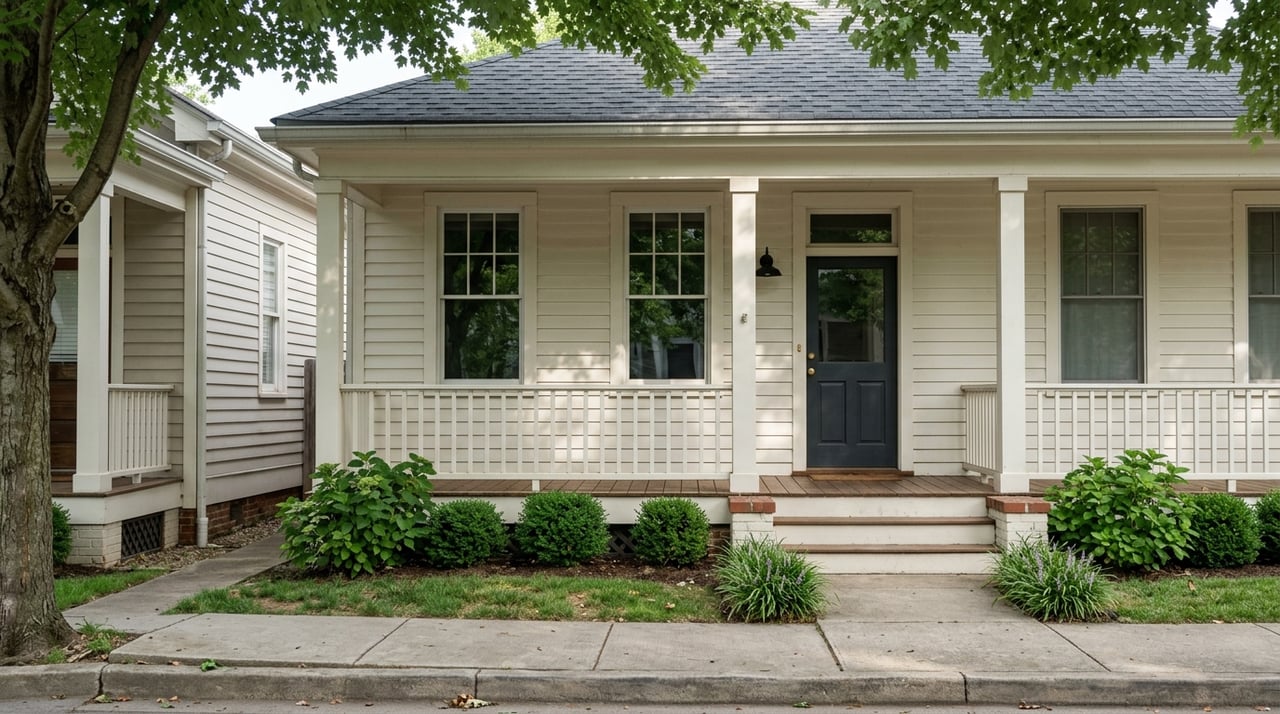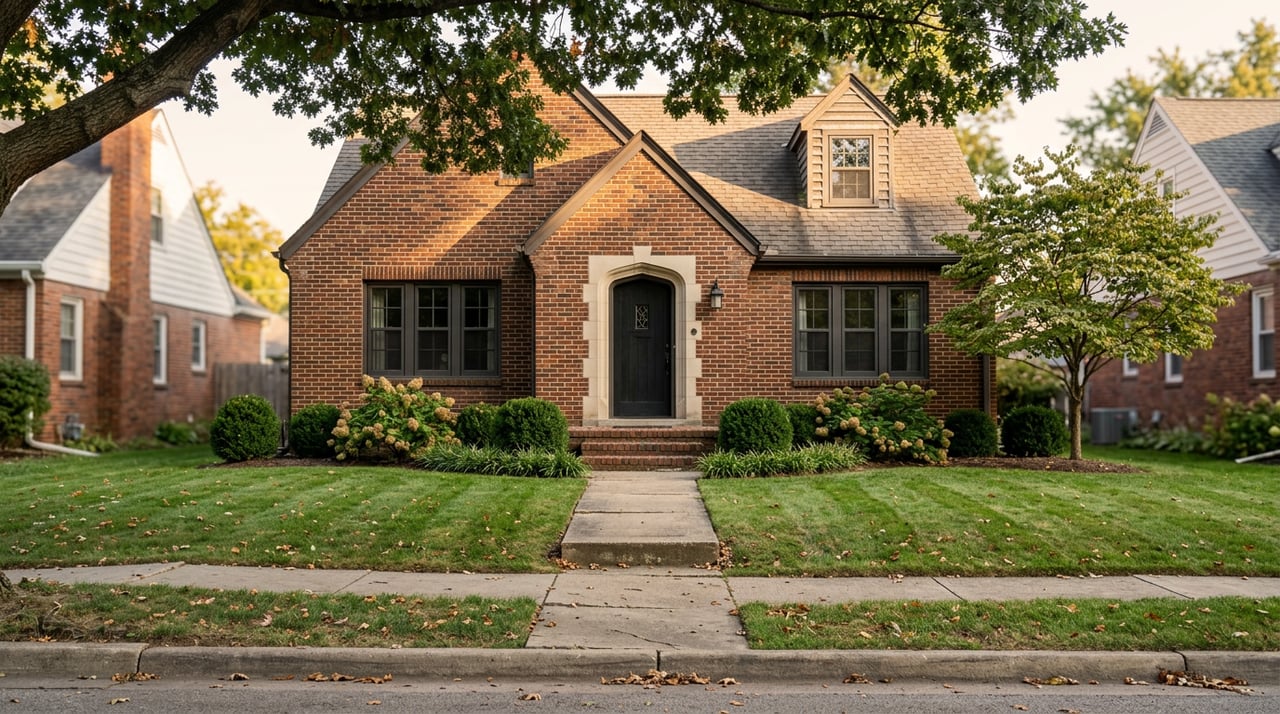
Two downtown lofts hit the market at the same list price, in the same zip code, with nearly identical square footage. One buyer's total monthly cost ends up meaningfully lower than the other's, and the difference has nothing to do with the unit itself. It comes from a property tax quirk tied to the building's age and rehab history, and from an HOA fee that looks like a flat number but isn't doing flat work.
If you're comparing Downtown Louisville to a house in the suburbs, the list price is the least useful number you have. Here's what actually moves the monthly math, and why it's easy to miss until you're already under contract.
The Zip Code Line You Can't See on the Listing
Property tax rates in Jefferson County aren't uniform, and the gap isn't small enough to ignore. As of 2026 data on Louisville tax records, the median effective property tax rate across the city sits at 1.14 percent, a touch above both the Kentucky state median and the national median of 1.02 percent. Louisville's median annual tax bill runs $2,213, which is actually lower than the $2,400 national median bill, largely because home values here are more moderate than in higher-cost metros.
But that citywide median hides real spread. The 40202 zip code, which covers most of Downtown Louisville, carries an effective rate of 1.28 percent. Compare that to 40207, just a few miles east, at 1.12 percent. That's a 0.16 percentage point difference on the same $300,000 assessed value, which works out to roughly $480 a year in tax alone, before you've compared a single HOA fee or square foot of living space.
The reason isn't anything about the units themselves. It comes down to which school district levy and which special assessment district your specific address falls under. Two condos ten blocks apart can sit in different taxing jurisdictions entirely, which means the rate follows the boundary line, not the building's finish level or view.
If you're pricing out Downtown Louisville against a home in another part of Jefferson County, pull the actual zip code rate for both addresses before you compare monthly costs. A rate difference that looks small on paper compounds every year you own the place.
What the Freeze Doesn't Tell You Until It Thaws
Here's the part that catches people off guard specifically in older downtown buildings. Louisville Metro runs a Property Assessment and Reassessment Moratorium Program under Chapter 154 of the Metro code, which lets owners of qualifying structures at least 25 years old freeze a portion of their local taxes for up to five years after a significant rehab. The threshold is straightforward: the cost of the repair, rehabilitation, or restoration work has to equal at least 5 percent of the assessed value of the improvements on the property.
A lot of Downtown Louisville's condo and loft inventory is exactly the kind of building this program was built for: older commercial or industrial structures converted into residential units, which by definition are past that 25-year mark. If a previous owner or the original developer completed a qualifying rehab and filed for the moratorium, the tax bill you see listed on that unit today might not be the real number. It might be a frozen number, with a clock already running toward reassessment.
This matters because the moratorium is a temporary state, not a permanent discount. When the freeze period ends, the assessment resets and the bill can jump. A buyer comparing two units in the same building, one under an active moratorium and one that already reassessed, is looking at two different future costs even though the current tax line item looks similar or even identical today.
Before you write an offer on an older downtown unit, ask directly whether the property is currently under a Chapter 154 moratorium and, if so, how many years are left on it. That single question tells you whether the tax number on the listing sheet is the number you'll actually be paying in three years or a placeholder.
The HOA Fee Is Doing More Work Than the Number Suggests
Kentucky HOA data shows condominium and townhouse fees in the Louisville area often exceed $600 a month, a meaningfully higher range than the $200 to $600 typical for single-family HOA communities. That gap reflects real cost differences. A single-family HOA usually covers landscaping and maybe a shared amenity. A downtown condo HOA is often paying for elevator maintenance, building insurance, shared HVAC systems, and staffing, all baked into that monthly figure.
The number that actually predicts your future costs isn't the current fee. It's the reserve fund behind it. Kentucky HOAs are required to navigate insurance and liability obligations under the Kentucky Condominium Act and the Kentucky Horizontal Property Law, and proper reserve funding is what keeps an association from having to hit owners with a surprise special assessment when a roof, elevator, or major system needs replacing. An association that's kept dues artificially low for years by underfunding its reserve is setting up its owners for exactly that kind of bill down the road.
Before you buy into any downtown building, ask for the most recent reserve study and the association's special assessment history over the past five to ten years. A building with a healthy reserve and no recent assessments is a more predictable monthly cost than one with a lower sticker fee and a thin reserve account, even if the second one looks cheaper on the listing sheet.
Running the Real Monthly Number
Put those three pieces together and you get a comparison that actually means something. Take the list price, apply the correct zip code effective tax rate rather than the citywide average, add the HOA fee, and then adjust for whether that fee or the tax bill is likely to move in the near term because of a moratorium expiring or a reserve gap catching up to the association. That's the number to compare against a suburban single-family purchase, not the price per square foot on the listing.
| What to check | Why it moves your monthly cost |
|---|---|
| Zip code effective tax rate | 40202 runs 1.28 percent versus 1.12 percent in 40207, a real annual difference on identical assessed values |
| Chapter 154 moratorium status | A frozen assessment on an older building can reset and raise your bill once the freeze period ends |
| HOA reserve study and assessment history | A thin reserve fund predicts future special assessments even when the current fee looks low |
None of this makes Downtown Louisville a bad option. It makes the comparison an honest one instead of a sticker price contest. Once you know which questions to ask before you make an offer, you can price out a downtown loft against a house in another neighborhood and know you're comparing real numbers, not the first line on two different listing sheets.
A Few Quick Questions
Does every older downtown building have a tax moratorium? No. It has to be applied for and approved, and the rehab spending has to clear the 5 percent threshold. Ask the seller or listing agent whether the current bill reflects an active moratorium rather than assuming it does.
How do I find my zip code's effective tax rate before I make an offer? Your assessment notice from the Jefferson County Property Valuation Administrator shows both market value and assessed value for a given address, and that office can confirm the applicable rate for a specific property.
Is a higher HOA fee always a red flag? Not on its own. A higher fee tied to a well-funded reserve and no recent special assessments is often the more predictable option over five or ten years of ownership.
If you're weighing a Downtown Louisville condo against a house somewhere else in Jefferson County and want someone to run the real numbers with you before you write an offer, Ethan John Adams is a phone call away, seven days a week. Let's Connect.
This article is general information, not legal, tax or financial advice. Consult a qualified professional about your situation.